
Other collars
Last updated: May 22, 2026
Collars with silencers and anti-noise tags: Guide to eliminating constant jingling
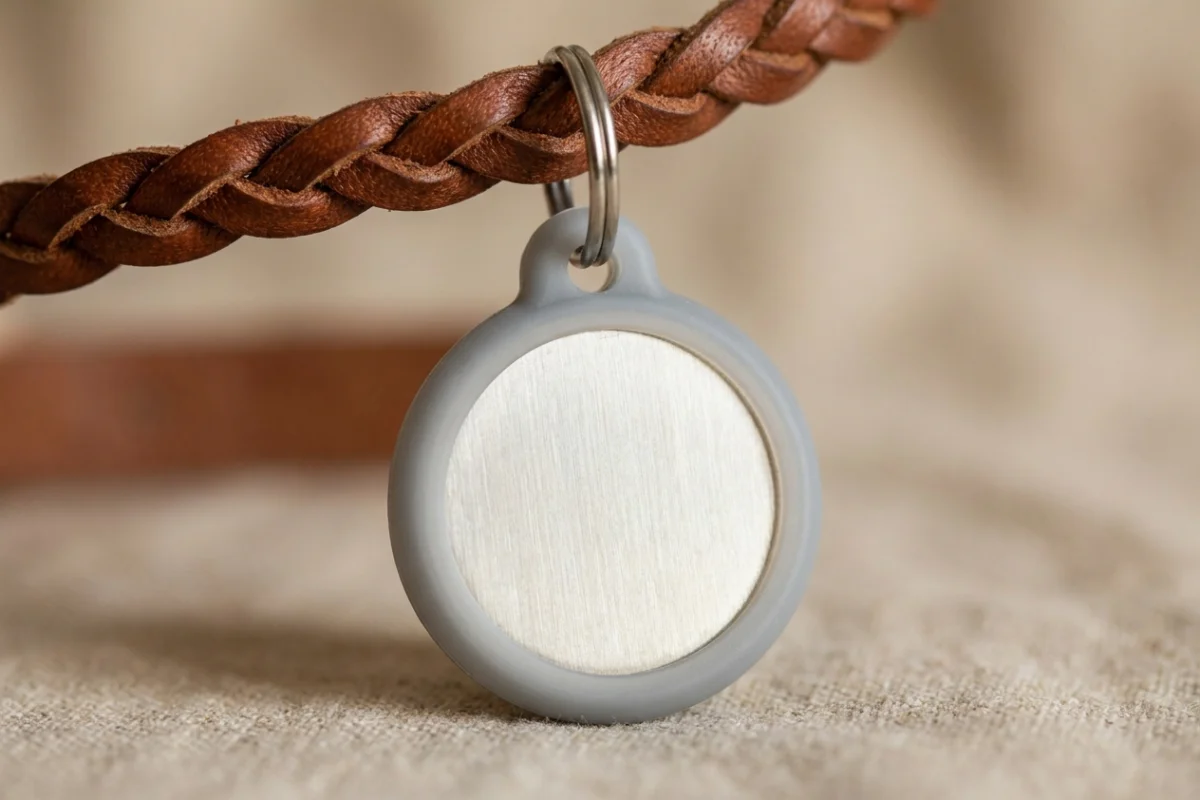
The constant jingling of ID tags against the metal of the collar may seem like a harmless sound, but for many dogs and owners, it becomes a persistent acoustic nuisance. Collars with silencers and anti-noise tags have emerged as the ultimate solution to ensure a quiet walk and reduce sensory stress in sensitive pets.
In this guide, we will explore how these accessories work, from silicone covers to laser engravings directly on the buckle. You will learn why eliminating collar noise is not just a matter of aesthetics, but also of auditory well-being for your four-legged companion.
If you are looking for a way to keep your dog identified without the annoying 'click-click' with every movement, here you will find the best options in silent materials and fastening systems that do not compromise safety or durability.
Why eliminate the constant jingling of your dog's tags?
The metallic sound of ID tags clashing against each other is a constant soundtrack for many dog owners. Although it may seem like a minor detail, this persistent jingling can be annoying at night, during rest periods, or even for the animal itself. Silencers and anti-noise tags have been specifically designed to solve this problem without compromising your pet's safety.
A silencer is, basically, an accessory that wraps around or covers the ID tag to prevent it from hitting other tags or the metal of the collar. These devices not only eliminate noise but also serve a protective function, preventing the engraving of contact information from wearing down with continuous rubbing, ensuring that the data is always legible in case of loss.
There are various solutions on the market, from silicone rings that fit the edge of the tag to full pouches that store the medals inside. Choosing the right option depends on the type of activity your dog does and how many tags they need to wear on their collar regularly.
In this guide, we will explore how these small accessories can improve your pet's quality of life, protecting their sensitive hearing and maintaining peace in the home, all while ensuring their identification remains intact and functional for much longer.
Advantages of using tag silencers
Implementing an anti-noise system on your dog's collar offers benefits that go beyond simple silence. The most obvious advantage is the reduction of noise pollution at home, especially useful if you have an active dog that moves a lot during the night or if you live in an environment where echo amplifies every sound.
Another fundamental advantage is the protection of the engraving. Metal tags often get scratched when they hit each other, which over time makes the phone number or address difficult to read. The silencer acts as a bumper, keeping the surface of the tag like new. Additionally, by avoiding direct contact between metals, the possibility of dark spots appearing on the dog's neck fur caused by metal friction is reduced.
For dogs with sensitive ears, eliminating constant noise near their head can reduce unnecessary stress levels. Dogs have a hearing capacity far superior to humans, and what for us is a slight jingle, for them can be a sharp and repetitive metallic sound very close to their ears.
- Total elimination of metallic noise when walking or running.
- Protection against wear and scratches on the identification.
- Greater comfort and stress reduction for the dog.
- Prevents metal friction stains on light-colored fur.
- Extends the lifespan of ID tags.
In short, it is a minimal investment that provides peace of mind, durability, and well-being for both the animal and those living in the home.
Types of silencers and anti-noise protectors
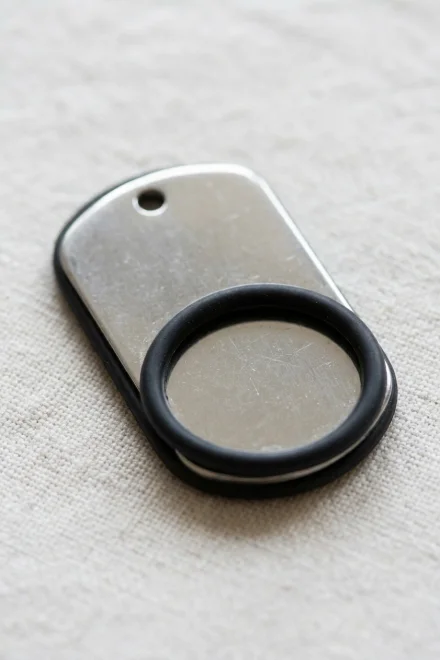
Not all silencers are the same, and the choice will depend on the format of the tag you already have. The most common are silicone rings, which are elastic edges that fit the perimeter of standard tags (circular, bone-shaped, or heart-shaped). They are inexpensive, lightweight, and very easy to install.
Another very popular option is neoprene or fabric pouches or bags. These small bags clip onto the collar and store the tags inside. They are ideal if your dog wears several medals (ID, rabies, and microchip), as they keep them all together and totally isolated, eliminating any possibility of noise.
- Silicone rings: Ideal for individual tags of standard shapes.
- Neoprene pouches: Perfect for grouping several tags and protecting them from mud.
- Rubber-coated tags: Medals that already come with a rubberized edge from the factory.
- Riveted tags: Tags that are fixed directly to the leather of the collar without hanging.
If you are looking for a definitive solution, riveted tags or those engraved directly onto the buckle of the collar are the best alternative, as since there are no hanging parts, noise is physically impossible.

Maintenance and cleaning of the silencer
Although silencers are low-maintenance accessories, they require periodic cleaning to ensure your pet's hygiene. Due to their location on the neck, it is common for them to accumulate dust, moisture, dead skin debris, or even mud if the dog goes out into the field.
Silicone silencers can trap dirt in the small groove where the tag fits. If not cleaned, this can generate bad odors or even skin irritations for the dog if the dirt is excessive. Ideally, remove the silencer once a month and wash it with warm water and neutral soap.
It is important to regularly check the condition of the material. Silicone, over time and with exposure to the sun, can become brittle or stretch too much. If you notice cracks or if the silencer no longer fits snugly on the tag, it is time to replace it to prevent the tag from falling out and getting lost.
- Wash with soap and water every time you bathe the dog.
- Dry well before putting it back on to avoid trapped moisture.
- Check the elasticity of the silicone every few months.
- Ensure the ring does not obstruct the reading of the data.
Proper maintenance ensures that the accessory continues to fulfill its function of silence and protection effectively for years.
Safety considerations when using silencers
Despite being very safe accessories, there are a couple of points you should keep in mind. The first is the correct size: a silencer that is too large for the tag could come loose during play or a walk through vegetated areas, leading to the loss of identification.
If you opt for fabric or neoprene pouches, make sure the closure (whether velcro or clip) is sturdy. In dogs that run through bushes or undergrowth, there is a minimal risk of snagging, so it is always preferable for the system to be as aerodynamic and close to the collar as possible.
Finally, always check that the silencer does not cover crucial information. Some wide-edged models can hide the last digits of a phone number if the engraving is very close to the edge of the tag. The security of your dog being able to be identified quickly is always the number one priority.
- Choose the exact size according to the diameter of the tag.
- Verify that the contact details are 100% visible.
- Prefer high-quality materials that do not degrade in the sun.
- Avoid silencers with small parts that could be swallowed.
With these precautions, using a silencer will be a significant improvement in your pet's daily gear without adding unnecessary risks.

Conclusion: Is it worth investing in a silencer?
The short answer is a resounding yes. Silencers and anti-noise tags are one of the most economical and effective improvements you can add to your dog's gear. Not only do they eliminate the annoying jingling, but they also protect the investment you made in a quality tag, ensuring that the contact details remain legible throughout the animal's life.
For owners who value silence at home and for dogs that may feel overwhelmed by constant noise, this accessory makes a notable difference. Additionally, the variety of colors and materials available even allows for personalizing the style of the collar, giving it a more modern and polished touch.
Whether you choose a simple silicone ring or a tag engraved directly onto the collar, the goal is the same: safety without noise. At the end of the day, a comfortable dog and a quiet home are more than enough reasons to say goodbye to the constant jingling of metal medals.
Which anti-noise system to choose according to your dog
Not all systems for eliminating tag noise work the same for all dogs. Depending on your pet's size, activity level, and how many tags they need to wear, one option will be more recommended than another. Here is a comparison to help you decide.
🐕 Small and calm dogs
For small breed dogs that are usually at home or go on urban walks, silicone rings are ideal. They don't add extra weight to the neck and are sufficient to eliminate the noise of one or two tags clashing gently.
🌲 Adventurous or outdoor dogs
If your dog runs through the woods, gets into rivers or bushes, neoprene pouches are the best option. They protect the tags from bumps, mud, and water, preventing them from snagging on branches and eliminating noise completely.
🔊 Dogs with multiple tags
When the dog must wear the ID tag, the municipal census tag, and the insurance tag, the best option is a silencer pouch. It groups all the medals in one place, preventing it from looking like a noisy and heavy 'keychain'.
🏠 Indoor or sensitive dogs
For dogs that spend a lot of time sleeping and are startled by sudden noises, full silicone tags or those engraved on the collar are perfect, as they offer absolute silence even when the dog scratches its neck.
💦 Dogs that swim frequently
In these cases, avoid fabric pouches that take a long time to dry. Opt for high-quality rubber silencers or tags riveted directly to the collar, which do not retain moisture and are not damaged by chlorinated or salt water.
⭐ The ultimate option: Fixed tags
If you want to forget about silencers forever, tags that slide onto the collar or are riveted to it are the most professional option. They are 100% silent, impossible to lose, and require no additional accessories.
In summary, silicone rings are excellent for everyday use, while pouches and fixed tags offer more robust solutions for high-activity situations or multiple identifications.
How to correctly attach a silicone silencer
Installing a silicone silencer is a simple process, but doing it right ensures it doesn't fall off. First, make sure the tag is clean and dry. Silencers usually have an internal groove where the edge of the metal medal should fit.
Step by step: Start by inserting one side of the tag into the groove and carefully stretch the silicone around the edge. It is normal to have to exert some force, as the fit must be firm. Once placed, make sure the hole in the silencer perfectly matches the hole in the tag so you can pass the collar ring through.
If the silencer is loose or moves easily, it is likely a size larger than necessary. A well-placed silencer should not move from its spot even if you pull slightly on it. This pressure fit is what ensures the accessory fulfills its function of cushioning bumps and noise permanently.
Quick tips for a noise-free collar
📏
Measure the diameter of your tag before buying the silencer to ensure a perfect and secure fit.
🧼
Clean the inside of the silencer regularly to prevent the buildup of bacteria and bad odors.
🔍
Check that the protector does not cover the phone number or vital information on the ID tag.
🔄
Replace the silencer if you notice the rubber has become stiff or shows cracks from use.
🤫
If you use several tags, put them all in a neoprene pouch for total silence and greater protection.
Final summary: Silence and protection for your pet
Eliminating the noise from your dog's tags is much more than a matter of comfort for humans; it is an improvement in the animal's well-being and a smart way to protect their identification. Silencers and anti-noise tags are practical, cheap, and durable solutions that solve the jingling problem at its root.
Whether you prefer the simplicity of a silicone ring or the robustness of a riveted tag, the important thing is that your dog is identified at all times in the most comfortable way possible. A silent collar allows your pet to move freely without announcing every step, something you will especially appreciate during the night or in moments of relaxation.
Always remember to verify the legibility of the data and the condition of the materials. With a small gesture like adding a silencer, you will be improving coexistence and ensuring that, whatever happens, your best friend always has their contact information protected and ready to be read.
Frequently asked questions about collars with silencers and anti-noise tags
What exactly is a silencer for a dog collar?
A silencer is generally a silicone or rubber cover that borders the ID tag. Its main function is to cushion the impact of the tag against the metal of the collar or against other tags, eliminating metallic noise.
Why is it recommended to eliminate the jingling of tags?
A dog's hearing is much more sensitive than a human's. Constant jingling near their ears can cause sensory stress or distraction. Additionally, for owners, a silent collar allows for a quieter environment at home and during night walks.
Are there collars that don't need hanging tags?
Yes, collars with riveted plates or engravings directly on the buckle are the best anti-noise alternative. Since they are integrated into the collar strap, they don't hang or generate any kind of sound when walking or running.
Do silicone silencers break easily?
It depends on the quality of the material. Medical-grade silicone silencers are very resistant, although in very active dogs or those that play roughly, they can wear out over time and require annual replacement.
Which materials are the quietest for tags?
In addition to silicone, acrylic, treated wood, or engraved biothane tags are naturally silent compared to traditional stainless steel or brass.
How do I install a silencer on a tag I already have?
Most are elastic. You just need to choose the right size (circular, heart, or military) and stretch the rubber edge around the perimeter of the metal tag until it fits snugly.
Does the silencer hide the contact information?
No, silencers are designed to cover only the outer edge of the tag, leaving the center fully visible so that the name and phone number can be read without problems in case of loss.
Are they recommended for hunting or field work dogs?
Absolutely. In hunting or work environments, stealth is important. A silent collar prevents the dog from being detected by wildlife and prevents the tag from getting caught in the brush.
How do you clean anti-noise accessories?
Rubber silencers accumulate dirt on the edges. It is recommended to remove them once a month and wash them with warm water and neutral soap to prevent the accumulation of bacteria or bad odors.
What is a 'slide-on' or sliding tag?
It is a curved metal plate that slides directly onto the collar strap. It is one of the safest and quietest options, as it does not require split rings and remains completely fixed.