Other collars
Last updated: November 5, 2025
Biothane dog collars: Advantages, characteristics, and why they are the best option
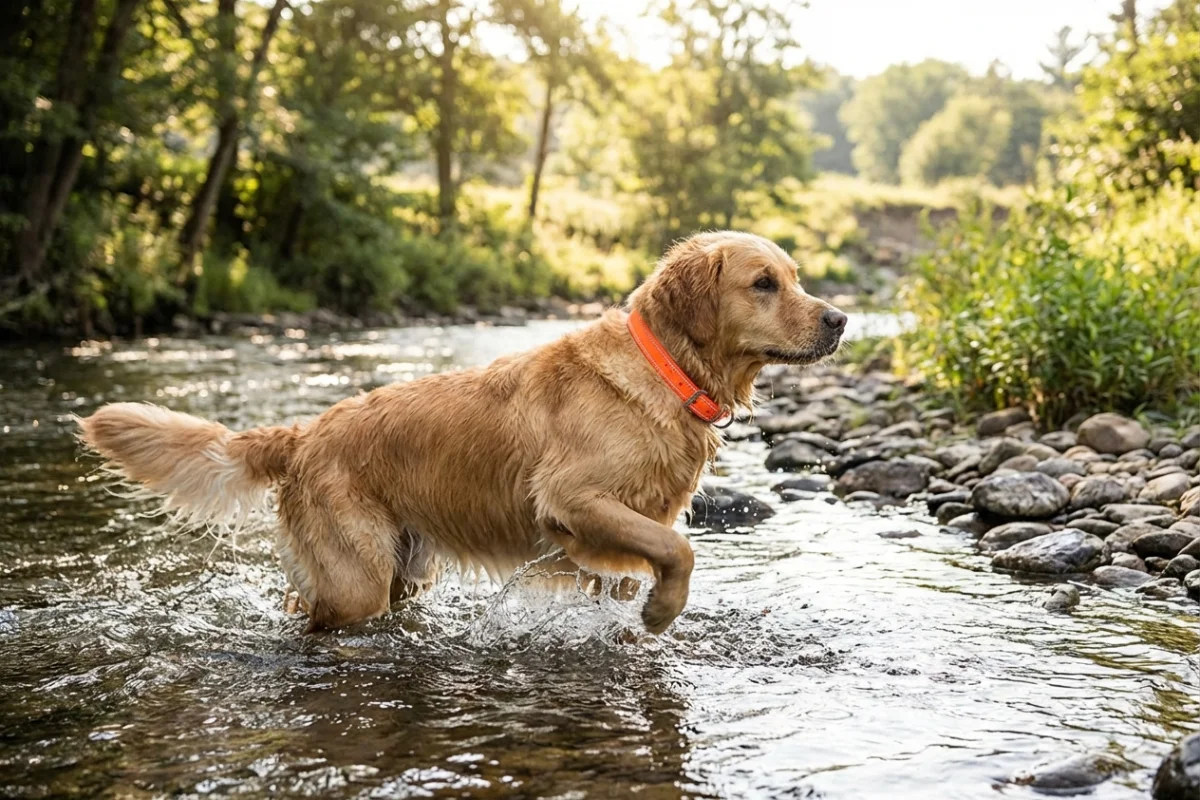
In the world of canine accessories, Biothane collars have revolutionized the way we walk our pets. Gone are the days when fabric collars got soaked, accumulated bad odors, or leather ones required constant maintenance. This innovative material has positioned itself as the ultimate alternative for active dog owners.
Biothane is a highly resistant coated polyester webbing that combines the aesthetics and feel of leather with unmatched technical properties: it is 100% waterproof, does not absorb odors, and cleans in seconds. This makes it the ideal accessory for dogs that enjoy water, snow, mud, and nature in its purest state.
In this article, we will analyze in depth why to choose a Biothane collar for your dog. You will discover its multiple advantages, how it compares to traditional materials like nylon or leather, and everything you need to know to ensure safe, comfortable, and hassle-free walks.
Biothane dog collars: What are they and why do they stand out?
In the world of canine accessories, materials have evolved enormously to offer more practical, durable, and comfortable solutions. Among these innovations, Biothane has burst onto the scene, becoming the favorite material for many dog trainers and pet owners. But what exactly is it and what makes it so special?
Biothane is a webbing coated with polyurethane (PU) or polyvinyl chloride (PVC) over a polyester core. This combination gives it extraordinary strength, coupled with flexibility that ensures maximum comfort for the dog's neck. At first glance and to the touch, it may resemble traditional leather, but it surpasses it in numerous technical and maintenance aspects.
If you are looking for an alternative that can keep up with an active dog, doesn't accumulate odors, and is practically indestructible, you are in the right place. Below, we break down all the features that make these collars a smart, safe, long-term investment.
Main advantages and features of Biothane
The popularity of Biothane is no coincidence; its technical properties solve the most common problems presented by traditional collars. One of its most outstanding advantages is that it is 100% waterproof. Unlike nylon or leather, Biothane does not absorb water, meaning it won't get soaked or heavy if your dog decides to take a dip or if you walk in heavy rain.
Related to this is its resistance to odors and bacteria. Being non-porous and moisture-repellent, it is impossible for fungi or bacteria to develop that cause the typical bad smell of wet or sweaty collars. Maintaining the hygiene of your pet and your home will be much easier.
The ease of cleaning is another essential strong point. If the collar gets full of mud, sand, or dirt after an excursion, simply wipe it with a damp cloth or rinse it directly under the tap to make it look like new in just a few seconds. It does not require applying oils or conditioners.
In addition, it offers extreme resistance to traction and abrasion. It can withstand strong pulls without deforming, cracking, or breaking, which provides vital safety, especially if you handle large or highly reactive dogs. All this without sacrificing its flexibility, preventing chafing, cuts, or irritations to the animal's skin and coat.
Why is Biothane the best choice compared to other materials?
When it comes time to choose a walking accessory, owners often hesitate among the three great classics: leather, nylon, and, more recently, Biothane. Understanding the differences will help you make the best decision for your companion's comfort.
Leather is elegant and strong, but requires constant maintenance. If it gets wet repeatedly, it can crack, stiffen, and lose its aesthetics. Biothane, on the other hand, offers a similar appearance (it is in fact an ideal vegan substitute) but with zero maintenance, permanently retaining its vibrant color and flexibility.
On the other hand, nylon is inexpensive and highly accessible, but has a major drawback: it deeply absorbs dirt and moisture. This not only causes hard-to-remove bad odors, but can also cause friction and discomfort on the dog's neck when it dries and becomes rough. The smooth, rubbery feel of Biothane prevents any kind of chafing and never retains liquids or mud.
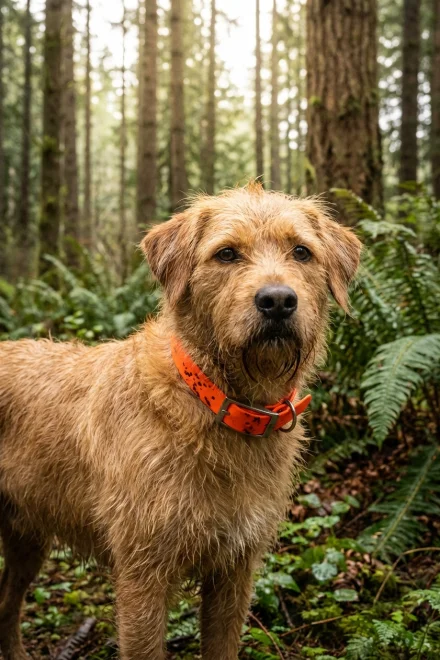
Finally, it is worth highlighting the permanent color variety and visibility. The synthetic coating allows collars to be manufactured in neon and bright colors that do not fade from sun exposure or UV rays. This significantly increases the safety and visibility of dogs in the field or during late-afternoon walks.
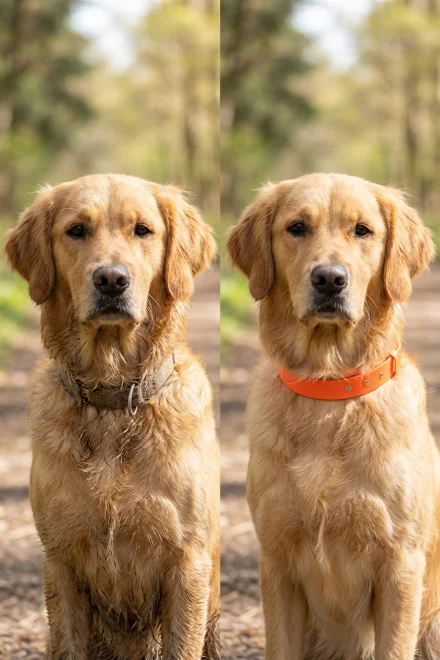
Material comparison: Biothane vs. Traditional alternatives
To truly understand why Biothane has been crowned the king of modern canine accessories, it is very useful to put it face to face with traditional materials. Each option has its features, but the scale usually tips towards what is most functional and safe for daily use.
🛡️ Biothane (The all-terrain option)
Completely waterproof, does not retain odors, washes in seconds and requires no extra care. Extremely strong, soft touch that protects the coat, and very durable colors. Ideal for water dogs, athletes, and intense use in any weather.
🧶 Nylon (The budget option)
Lightweight, very cheap, and available in a multitude of patterns. However, it absorbs water quickly, takes quite a while to dry, retains mud, and can generate bad odors if not washed in the washing machine frequently. May fray from rubbing.
🐂 Leather (The classic option)
Noble, high-quality material with a traditional aesthetic. Requires specific care, such as creams or oils, to prevent it from cracking over time and with moisture. Takes time to dry if it gets wet and can be stiff during the first uses.
⛓️ Metal (Chains or links)
Highly resistant to extreme pulls, but heavy, cold, and uncomfortable for the animal. They can even stain the coat in light-colored dogs or cause injuries from continuous friction. Increasingly less recommended for regular walks.
🧽 Neoprene (The padded option)
Generally used as an inner lining for some collars. Offers excellent cushioning and great comfort, but shares nylon's major problem: it absorbs water like a sponge, takes a long time to dry, and retains bacteria and odors.
When evaluating all the alternatives, it is clear that Biothane represents the most balanced and practical investment. Its ability to combine extreme resistance, a coat-friendly touch, and superior waterproofing to any fabric makes it the undisputed favorite for enjoying worry-free adventures.
Common mistakes when using Biothane collars and how to avoid them
Although Biothane is an incredibly resistant and rewarding material, there are certain usage mistakes that can reduce its effectiveness or cause discomfort to the dog. One of the most common mistakes is forgetting to dry the animal's neck. While the collar completely repels water and does not soak, the fur right underneath does accumulate moisture. If the dog takes a bath, it is vital to remove the collar for a moment to dry its skin and prevent the appearance of eczema or dermatitis due to retained moisture.
Another common mistake is related to seasonal changes and the coat. Since this synthetic material has zero elasticity and does not yield with use, it will not automatically adapt if your dog develops a thick winter coat or is shaved in the summer. It is essential to check the fit periodically and change the buckle hole according to the volume of the hair to ensure that a two-finger margin still fits.
Finally, some owners confuse extreme tensile strength with puncture resistance. Biothane withstands hundreds of kilos of pulling force, but is vulnerable to sharp teeth. Using the collar for two dogs to play biting each other or leaving it within reach of a bored puppy will result in a punctured or cut material. Understanding these small nuances guarantees that the accessory lasts literally the dog's entire life.
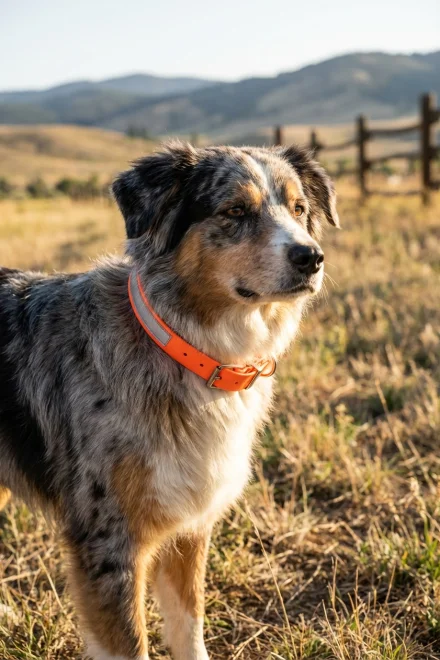
The perfect ally for working, hunting, and training dogs
It is no coincidence that the most demanding sectors of the canine world have adopted Biothane as their go-to material. In the field of professional training and behavior modification, the firmness of this material provides very clear communication between the handler and the dog. By not stretching like nylon, the leash tension is transmitted instantly and precisely to the collar, facilitating gentle corrections and technical handling.
For hunting, tracking, or rescue dogs, who traverse dense terrain full of brush, brambles, and mud, this material is unsurpassed. Its smooth, non-porous surface slides gently through branches without snagging, reducing the risk of the dog getting trapped. Furthermore, since it does not fray, it withstands constant rubbing against rocks and thorny bushes without losing structural integrity.
Finally, its crucial role in visual safety stands out. The versions in fluor or neon colors (bright orange, yellow, or pink) allow hunters, trainers, or rescue teams to locate the dog at long distances, even in low light conditions or very thick forests. This visibility remains intact year after year, as the material does not fade due to extreme sun exposure.
Minor limitations: What should you keep in mind?
Despite its countless advantages, Biothane is not a magic solution for 100% of situations, and knowing its limitations will help you use it more safely. The main feature to consider is the absence of a safety breakaway. Being a practically unbreakable material with no elasticity, if the dog gets severely snagged on a branch or fence, the collar will not yield or break. Therefore, it is not recommended to leave it on unsupervised for dogs living outdoors or in yards.
Another important consideration lies in the hardware. While the synthetic strap can last for decades, the metal buckles and rings are the weak link. If the dog frequently bathes in the sea, the saltpetre will attack the metal, not the Biothane. It is essential to opt for models with solid brass or marine-grade stainless steel hardware to prevent rust from ruining the collar.
Lastly, it's worth mentioning the weight factor in miniature breeds or very small puppies. Biothane straps with a thick coating and reinforced metal hardware can be slightly heavier than a simple strip of thin nylon. For dogs under 4 or 5 kilos, it is crucial to look for specific 'Super Flex' Biothane lines or narrower straps that do not overload their delicate cervicals.
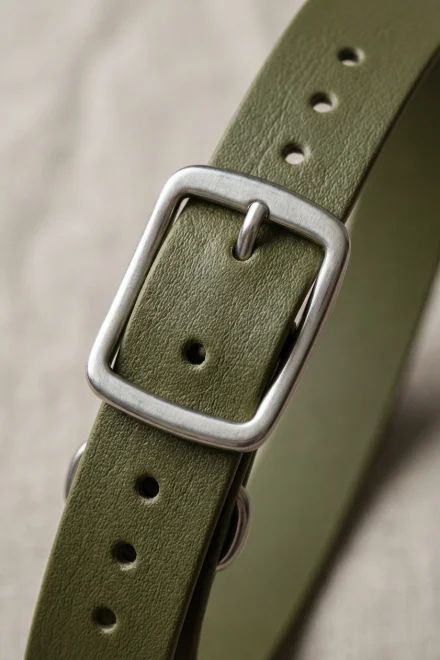
Types of closures and designs in Biothane collars
Since the base strap always offers the same waterproof and resistance properties, the real difference between one model and another lies in its design and, above all, the type of closure. Choosing the right hardware configuration will adapt the collar to your dog's morphology and daily routine.
🔒 Classic buckle (Belt type)
It is the safest and most traditional system. Impossible to open accidentally by pulling. Ideal for strong, reactive dogs or walks in the woods where safety is the top priority.
⚡ Snap buckle (Quick release)
Incorporates a sturdy plastic or metal trident-style buckle. Its great advantage is the speed to put on and take off, making it perfect for calm dogs and daily urban walks.
🐕 Martingale (Preventive semi-choke)
Designed with two loops, it gently tightens if the dog pulls backward. It is the mandatory option for greyhounds, podencos, and fearful dogs whose head is narrower than their neck, preventing escapes.
⭕ O-Ring design
The ring where the leash is attached is integrated into the center of the collar, allowing the strap to rotate freely around the neck. Very popular in hunting dogs to prevent tangles.
📏 Special widths (Tapered)
Collars that are wide in the central part to protect the trachea, but narrow towards the buckle so as not to be bulky. Ideal for sighthounds or dogs prone to tracheal problems.
📍 With GPS or AirTag holder
Modern versions that include a riveted or molded compartment in the Biothane itself to carry tracking devices securely and watertight, without annoying hanging accessories.
The versatility of this material allows manufacturers to create specific solutions for every need. Pay attention to the type of closure and design before making your purchase, as this will largely determine the comfort of daily use and the level of safety during your outings.
Frequently asked questions about Biothane dog collars
What exactly is Biothane material?
Biothane is a registered trademark that manufactures a polyester webbing coated with polyurethane (PU) or PVC. This combination gives it extreme tensile strength, flexibility, and a completely waterproof outer layer, making it the modern, vegan substitute for leather.
Does Biothane absorb the bad wet dog smell?
No, one of its biggest advantages is that it does not absorb moisture or bacteria. Unlike nylon or fabric, Biothane does not retain dirt or generate the unpleasant 'wet dog' smell after a rainy day or a bath.
Are Biothane collars safe for dogs that pull a lot?
Yes, they are extremely safe. The inner polyester webbing can withstand up to 500 kg of pull depending on the width of the collar. It is a material that does not yield, stretch, or break easily, ideal for large and strong dogs.
How do you clean a Biothane collar?
Cleaning is instant. You only need to wipe it with a damp cloth or rinse it under the tap with a little warm water and neutral soap. In seconds it will be clean and dry, ready for the next walk, without having to wait hours like with nylon.
Does it cause chafing in dogs with sensitive skin or dermatitis?
Biothane has smooth edges and a very soft touch that imitates tanned leather. By not retaining allergens or becoming rough with mud, it significantly reduces the risk of chafing and irritations, making it excellent for dogs with sensitive skin or short hair.
Can I use a Biothane collar at the beach or in the sea?
It is the perfect material for the beach. Biothane withstands salt water without degrading or fading. However, for saline environments, it is recommended that the hardware and buckles be made of stainless steel or brass to prevent rusting.
What is the difference between Biothane and traditional nylon?
While nylon gets wet, takes time to dry, frays, and accumulates deep dirt, Biothane repels water, does not fray, maintains its vibrant color over time, and requires minimal maintenance.
Do Biothane collars crack in the sun or extreme cold?
Unlike common plastic or poorly maintained leather, original Biothane is designed to withstand extreme weather conditions. It remains flexible at sub-zero temperatures and does not crack or become sticky with direct sun exposure.
Is Biothane heavier than other materials?
Biothane is slightly heavier than a simple thin nylon webbing, but it is lighter than thick leather. The weight is very comfortable for the dog and is rarely a nuisance, even for medium and small breeds.
What is the lifespan of a Biothane collar?
With normal use, a Biothane collar can last many years in perfect condition. Unlike leather which requires oiling, or fabric that tears, Biothane maintains its 'just bought' look for much longer.