
Other collars
Last updated: April 10, 2026
Collars for dogs with anxiety and stress: Guide on pheromones and relaxation
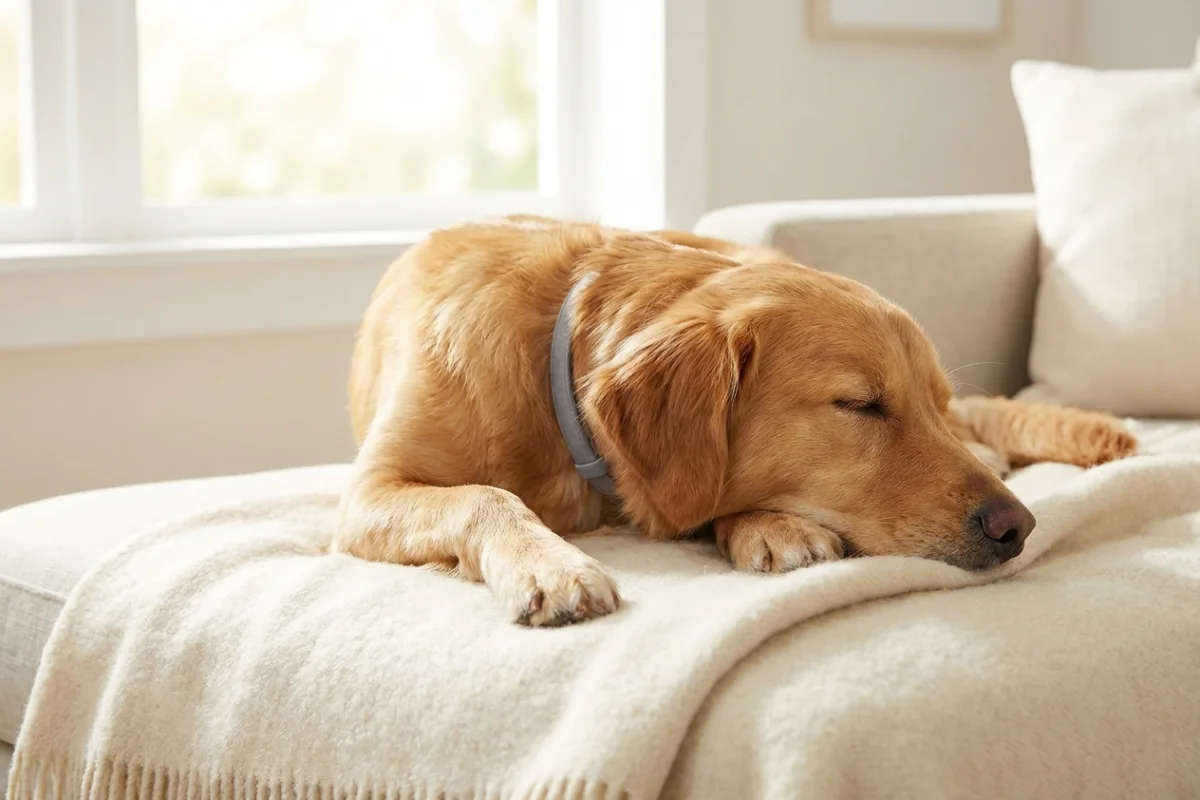
Anxiety and stress are common problems in the canine world, affecting the quality of life of our pets in situations such as moving, loud noises, or loneliness. In this context, pheromone and relaxation collars have emerged as a non-invasive therapeutic tool to help dogs manage their emotions naturally.
Unlike traditional collars, these devices are designed to release substances that mimic the calming chemical signals that mothers emit to their puppies. In this guide, we will explore how anxiety collars work, in which cases they are truly effective, and what you should consider before choosing one for your companion.
If you are looking for a complementary solution to improve your dog's emotional well-being, here you will find all the information about materials, duration of effects, and best practices for combining the use of the collar with behavior modification therapies.
Dog collars for anxiety and stress: A guide to pheromones and relaxation
Anxiety and stress in dogs are increasingly common problems in urban environments. Loud noises, changes in routine, or loneliness can deeply affect our pets' emotional balance. Faced with this situation, calming collars have emerged as a non-invasive and effective tool to help dogs regain their calm.
These accessories are not simple ornaments; they are designed to release substances that act directly on the animal's sensory system. Whether through synthetic pheromones or natural extracts, their goal is to reduce cortisol levels and promote a continuous state of well-being, facilitating coexistence and learning.
In this guide, we will explore how these collars work, what types exist, and how to choose the most suitable one so that your furry companion can face their fears with greater security.
How appeasing pheromones work
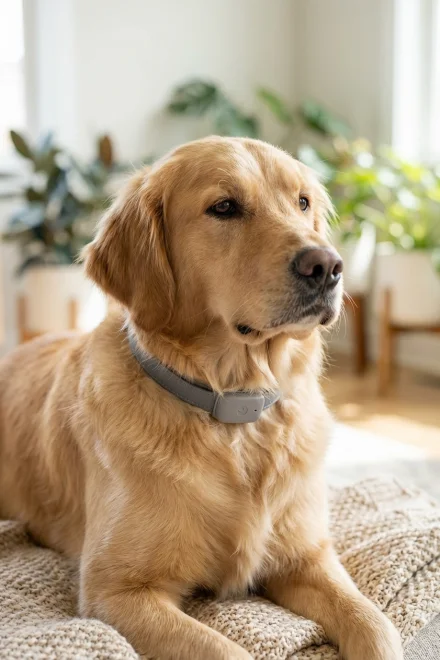
Most high-end calming collars use a synthetic copy of the dog appeasing pheromone (DAP). This is the substance that nursing females naturally release to calm their puppies, transmitting a sense of security and protection.
When placing the collar, the dog's body heat helps these pheromones to be released constantly. The animal perceives them through the vomeronasal organ, sending a direct signal to the brain that helps reduce anxiety without the need for medication or sedative side effects.
It is an ideal solution because the dog carries the 'message of calm' everywhere, which is especially useful for animals suffering from chronic stress or generalized fears outdoors.
Key situations for using a calming collar
Not all dogs need this type of collar permanently, but there are specific scenarios where its use makes a big difference in their quality of life.
The fear of loud noises, such as storms or fireworks, is one of the main causes. The collar helps the dog not to enter a state of extreme panic, allowing them to seek shelter more serenely.
They are also very effective during change processes, such as moving house, the arrival of a new family member, or stays in dog boarding. These events alter their territory, and the collar provides them with an emotional anchor point.
Finally, they are excellent support for treating separation anxiety. By maintaining low stress levels during the day, the dog is more receptive to the behavior modification guidelines we work on with them.

Types of collars according to their relaxation method
There are different alternatives on the market to calm a dog. Depending on your pet's sensitivity and the source of their stress, one type of collar may be more effective than another.
🧪 Pheromone collars (DAP)
They are the most scientifically endorsed. They use extended-release technology to mimic maternal signals. Ideal for severe anxiety and deep fears.
🌿 Essential oil collars
They use extracts of valerian, lavender, or chamomile. They work through aromatherapy and are excellent for dogs with mild stress or those needing a natural boost.
⚖️ Pressure collars (Weighted)
Although less common than vests, some collars exert gentle pressure on specific points. They help nervous dogs become more aware of their bodies.
🛡️ Combined collars
There are models that mix pheromones with herbal extracts to offer a comprehensive solution, attacking stress from both the hormonal and olfactory systems.
The choice between pheromones or natural extracts will depend on each dog's individual response. While some react instantly to lavender, others require the biological power of synthetic pheromones.
Tips for responsible use
📏
Cut off the excess plastic after adjusting it to prevent the dog from biting it or getting caught.
🧼
If you bathe your dog with shampoo, remove the collar and put it back on when the fur is completely dry.
⏳
Note the placement date on the calendar; the release of substances is invisible and you might forget to renew it.
🐕
In multi-dog households, the collar only affects the one wearing it, although pheromones may have a slight environmental effect.
⚕️
Remember that the collar is an aid, not a magic cure for serious aggression problems or extreme phobias.
Technical comparison: Pheromones vs. Natural Oils
Synthetic Pheromone Collars
These collars are considered therapeutic devices. Their chemical composition is designed to interact with the dog's endocrine system. They are especially recommended by veterinarians and ethologists to treat diagnosed anxiety disorders. Their main advantage is that they act at an instinctive level, which makes them very powerful in situations of irrational fear.
Essential Oil Collars (Phytotherapy)
They base their effectiveness on the inhalation of volatile compounds such as linalool (present in lavender). They are an excellent option for dogs suffering from hyperactivity or mild nervousness during walks. Being natural, the risk of allergic reactions is very low, although their scent can be intense during the first days of use.
In conclusion, if your dog suffers from trauma or a severe phobia, pheromones are the logical choice. If you are only looking for support to keep them calmer at home or during short trips, essential oils may be sufficient.
Summary of characteristics by collar type
| Collar type | Main component | Average duration | Main effect | Ideal for | Approx. price |
|---|---|---|---|---|---|
| Pheromones (DAP) | Synthetic analogue | 30 days | Biological security | Separation anxiety | 25 € – 45 € |
| Essential Oils | Valerian / Lavender | 4-8 weeks | Sensory relaxation | Mild stress / Travel | 12 € – 25 € |
| Mixed / Herbal | Botanical blend | 30 days | Progressive calm | Very active dogs | 15 € – 30 € |
Frequently asked questions about anxiety collars for dogs
What is a pheromone collar for dogs?
It is an accessory that releases a synthetic version of the dog appeasing pheromone (DAP). This substance helps dogs of all ages feel safe and calm in stressful or unfamiliar environments.
How long does it take for the relaxing collar to take effect?
Generally, effects begin to be noticed between 24 and 48 hours after placement. However, for chronic behavioral problems, the most significant results are usually observed after one or two weeks of continuous use.
Are aromatherapy collars with essential oils safe?
Yes, as long as they are specifically formulated for dogs. Ingredients like lavender or valerian can help, but it is vital to ensure that the collar does not contain oils toxic to canines and that the concentration is appropriate.
Can I use the pheromone collar along with a normal collar?
Yes, you can use both simultaneously. Ideally, place the pheromone collar snug against the neck (leaving two fingers of space) so that body heat activates the release of the substances, and put the walking collar over it.
How long does an anxiety collar's effectiveness last?
Most pheromone collars have a lifespan of 30 days. After this time, the release of substances decreases drastically and it is necessary to replace it with a new one to maintain the therapeutic effect.
Do these collars help with fear of fireworks?
They are an excellent complementary aid. For loud noise situations, it is recommended to place the collar one week before the event so that the dog is already in a state of greater calm when the detonations begin.
Do relaxing collars have side effects?
They do not usually have systemic side effects as they are not medications. In very rare cases, some dogs with extremely sensitive skin might show mild local irritation, in which case the product should be removed.
Do they work for separation anxiety?
They help reduce the basal stress level, but they are not a magic cure. They should be used as part of a behavior modification plan supervised by a professional to obtain lasting results in cases of separation anxiety.
Can pheromone collars get wet?
It depends on the manufacturer, but most lose effectiveness if they get wet or are bathed with shampoo. It is recommended to remove the collar during bathing and put it back on once the dog's hair is completely dry.
From what age can they be used?
Most pheromone collars are safe for puppies from weaning, being very useful for facilitating the transition to their new home and helping in the initial socialization process.