
Blog
Last updated: April 3, 2026
Color psychology and aesthetics in dog collars: How to choose the ideal shade
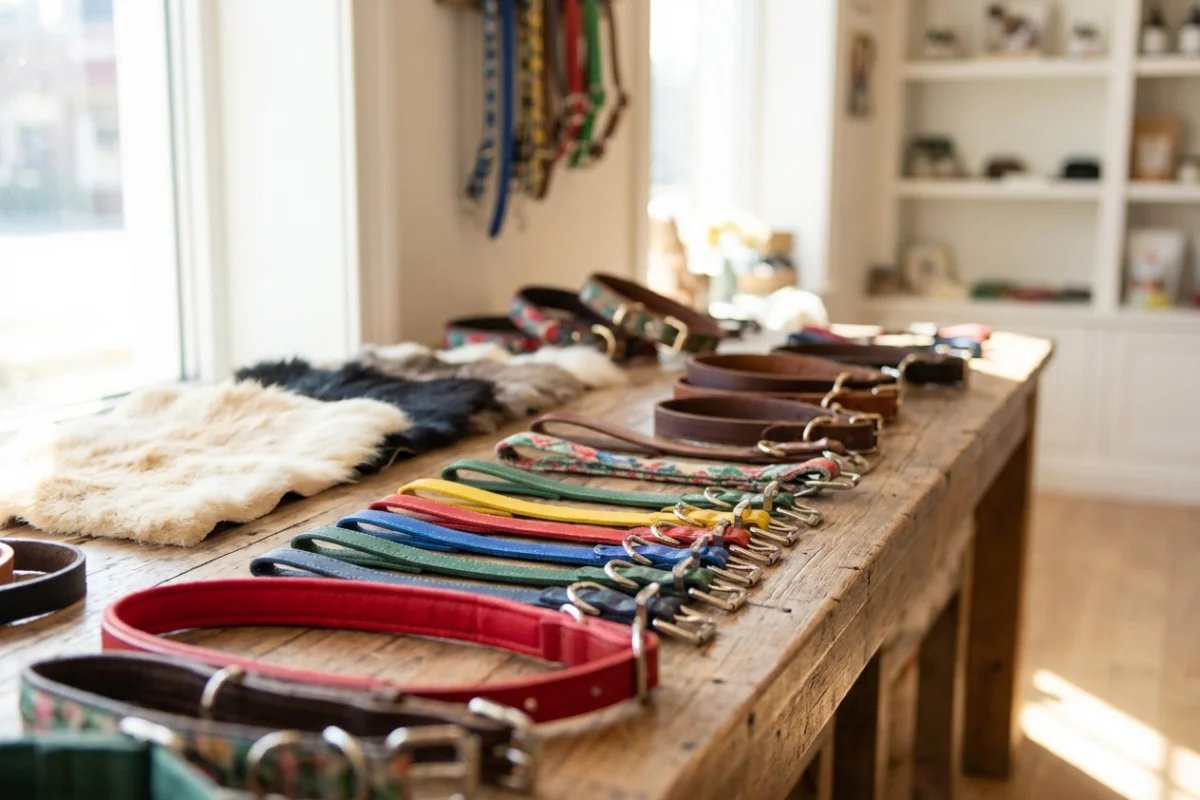
Choosing the color of your dog's collar goes far beyond a simple aesthetic preference. Colors have the ability to communicate emotions, influence the perception of others and, of course, highlight the natural beauty of your pet's coat. Understanding color psychology can help you project your dog's true personality during their walks.
In this article, we will explore how to choose the ideal collar shade based on color theory and chromatic contrast with the animal's coat. Dressing a Golden Retriever is not the same as dressing a Doberman, and the visual impact of the accessory can radically change how the environment interacts with them.
From the social meaning of certain colors to the most elegant combinations for each type of hair, this guide will provide you with the necessary tools so that your dog is not only comfortable but also looks their best. Discover how contrast and harmony can turn an everyday accessory into a statement of style and safety.
What is color psychology in dog collars and what is it for?
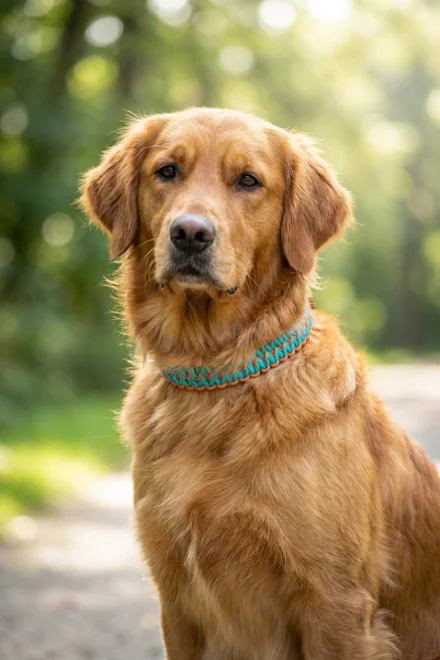
Color psychology applied to canine accessories is a tool that combines aesthetics with non-verbal communication. Choosing the shade of a collar is not just a matter of fashion; color influences how we perceive the dog's personality and how others react to it. A suitable color can highlight the animal's natural beauty and, in some cases, send important signals about its behavior.
The main objective is to harmonize the dog's physical appearance with a clear visual message. For example, bright colors can improve visibility on night walks, while certain international color codes help identify if a dog is friendly or needs space. By choosing correctly, you not only improve aesthetics but also your pet's safety and social interaction.
There are various color palettes depending on the type of coat and the dog's character. In this guide, we will explore how different shades affect visual perception and what the best combinations are for your companion to stand out with style and functionality.
Meaning of colors: What does each shade convey?
Each color evokes a different emotional response. When selecting a collar for your dog, it is useful to know what message you are sending to the environment. A smart choice of color can facilitate interactions in the park or simply make your pet's photos look professional and balanced.
Red: Energy and visibility
Red is a high-impact color that conveys vitality, strength, and confidence. It is ideal for active dogs with a lot of personality. Aesthetically, it stands out spectacularly on dogs with white, gray, or black coats. However, in the world of training, it is sometimes associated with caution, so it is a color that always attracts attention.
Blue: Calm and confidence
Blue is the most popular color for pets. It conveys serenity, loyalty, and tranquility. It is an excellent choice for calm dogs or for those we want to project a friendly image. It works very well on dogs with golden, cream, or light brown coats, creating an elegant and harmonious contrast.
Yellow: The caution code
Beyond aesthetics, yellow has an important functional meaning. The 'Yellow Dog Project' uses this color to indicate that a dog needs space (whether due to health, fear, or being in training). Aesthetically, it is a vibrant color that brings a lot of light and looks especially good on dogs with dark or black coats.
Green: Nature and balance
Green symbolizes freshness and a friendly character. It is a very relaxing color to the eye and is associated with sociable and balanced dogs. It is the perfect shade for outdoor photo shoots and highlights the beauty of dogs with reddish or chocolate coats.
Orange: Enthusiasm and safety
Orange combines the energy of red and the joy of yellow. It is the color of visibility par excellence, widely used in hunting or sports work collars because it stands out in almost any natural environment. It is ideal for owners who prioritize safety without giving up a modern and striking style.
Comparison of colors according to message and coat
The following table will help you decide which color to choose based on the visual effect and your dog's coat type:
| Collar Color | Psychological Meaning | Best Contrast (Coat) | Visibility Level | Ideal for |
|---|---|---|---|---|
| Red | Energy and Power | White, Black, Gray | Very High | Active and athletic dogs |
| Blue | Peace and Confidence | Golden, Tan, Cream | Medium | Family and calm dogs |
| Yellow | Optimism / Caution | Black, Dark | High | Dogs that need space |
| Green | Friendship and Health | Reddish, Brown | Medium | Walks in the countryside and parks |
| Pink / Purple | Sweetness and Elegance | Gray, White, Black | Medium | Dogs with sophisticated style |
Ultimately, the choice of color should reflect both the owner's taste and the dog's identity. There are no strict rules, but understanding these guidelines will help your pet not only be comfortable but also look their best on every walk.
Aesthetic tips according to coat type
To achieve an impeccable aesthetic, it is essential to consider the tone of your dog's coat. A well-chosen collar can act as the ultimate accessory that enhances their natural features.
Keys to combining colors
- Black Coats: Almost any vibrant color (neon, red, turquoise) stands out incredibly. Avoid very dark colors like navy blue or brown, as they will get lost in the fur.
- White Coats: Intense and deep colors like royal blue, purple, or forest green create a clean and elegant contrast.
- Brown or Chocolate Coats: Warm tones like orange, gold, or even lime greens complement the warmth of their fur.
- Gray or Blue Coats: Pastel tones or, conversely, highly saturated colors like fuchsia or lemon yellow, provide modernity.
- Multicolored Coats: Opt for a solid color that is present in their spots or one that contrasts with the predominant color to avoid visual saturation.
Remember that natural light also plays an important role; a color that looks good indoors may shine with a different intensity under the sun.
Common mistakes when choosing collar aesthetics
We often get carried away by trends without thinking about functionality or how the color interacts with the dog. Avoiding these common mistakes will ensure that the purchase is a success both aesthetically and practically.
- Choosing a color that camouflages: Buying a brown collar for a chocolate dog makes the accessory invisible and we lose the safety factor.
- Ignoring dirt: Very light colors (white, cream, pastel pink) on dogs that love mud require constant maintenance to not look neglected.
- Not considering fading: Some inexpensive materials lose color quickly with rubbing or the sun, leaving an old appearance in a short time.
- Colors that 'dye' the fur: On white dogs, some low-quality collars can release pigment when they get wet, staining the animal's neck.
- Prioritizing only fashion: A collar can be beautiful, but if the color sends the wrong message (like an intense red on a very skittish dog), it can complicate social interactions.
The key is to find the middle ground between a design you love and a color choice that benefits your dog's image and well-being.
Conclusion: Aesthetics and functionality hand in hand
The choice of color in dog collars is an extension of their identity. It's not just about the dog looking 'handsome', but about using visual tools to improve their safety and their relationship with the environment.
A well-selected color can make a dog more visible to drivers, more accessible to other owners, or simply highlight their natural elegance. By combining knowledge of color psychology with your pet's practical needs, you transform an everyday accessory into a statement of intent and care.
Before you decide, observe your dog, analyze their usual environment, and choose a shade that celebrates their unique personality.
Frequently asked questions about color and aesthetics in dog collars
What does the color yellow mean on a dog collar?
Beyond aesthetics, the color yellow is used internationally in the 'Yellow Dog Project' to indicate that the dog needs space, whether due to nervousness, health issues, or because they are in training.
What collar color stands out most on a black-haired dog?
For black dogs, the colors that work best are vibrant and light tones like yellow, turquoise, neon green, or fuchsia. These colors create maximum contrast that makes the accessory stand out and the dog more visible.
What does a red collar convey?
The red is a color that conveys energy, strength, and vitality. It is ideal for active and self-confident dogs, although in some social contexts, it may be perceived as a warning or authority signal.
What is the best color for a brown or chocolate-coated dog?
Earth-toned dogs look spectacular with complementary colors like turquoise blue, burnt orange, or forest green. Gold and cream tones also provide a natural and harmonious elegance.
Does the color of the collar influence how people perceive my dog?
Yes, perception studies suggest that light or pastel colors (such as sky blue or soft pink) tend to soften the image of breeds that are socially considered 'imposing', making them appear friendlier.
What color to choose for a white-coated dog?
White is a neutral canvas, so almost any color looks good on it. However, dark and deep colors like navy blue, purple, or deep red offer a sophistication that highlights the cleanliness of the coat.
What does the color blue mean in canine psychology?
The blue is associated with calm, trust, and stability. It is an excellent choice for calm dogs or for those owners who wish to project an image of serenity and control during the walk.
Is it recommended to use neon-colored collars?
Neon colors are ideal for sporty and adventurous dogs. In addition to being an aesthetic trend, they offer a functional advantage by improving the dog's visibility in natural or urban environments.
How to match the collar with the dog's eye color?
To highlight the eyes, choose a collar color that is analogous or complementary. For example, a blue or gray collar will enhance light eyes, while an orange or copper collar will highlight amber eyes.
What collar color is best for photo shoots?
For photography, solid and saturated colors are recommended that contrast with the background and the coat, avoiding excessively complex patterns that could distract attention from the dog's face.