
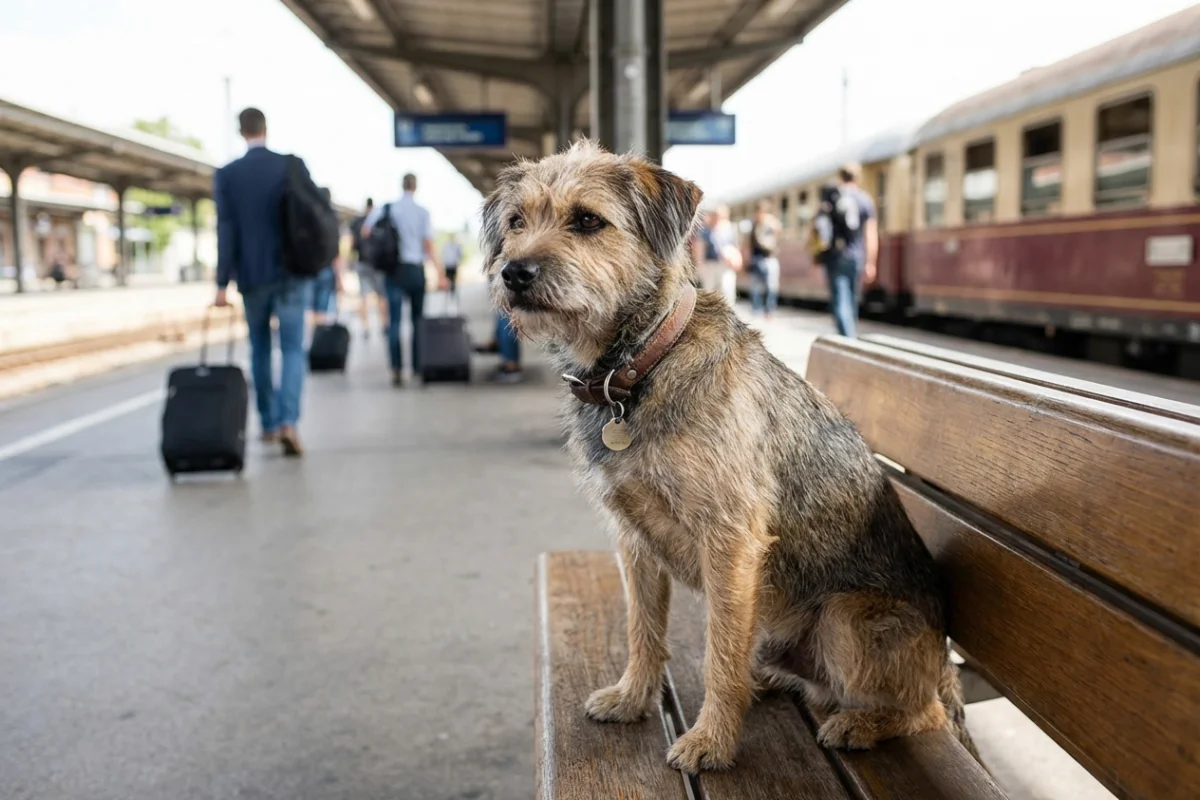

Traveling with our pet is a rewarding experience, but it requires meticulous planning, especially regarding safety and identification. The collar is not just an aesthetic accessory; in the context of a trip, it becomes the primary tool to ensure your dog is located and complies with the regulations of different means of transport.
Whether you are traveling by car, train, plane, or bus, choosing the right collar for traveling can make the difference between a stressful journey and a peaceful one. Factors such as comfort during long hours of waiting, ease of passing through security checks, and the durability of materials are crucial.
In this article, we will explore what features a collar for traveling dogs should have, current regulations on identification in transit, and how to prepare your pet for any adventure, always ensuring their well-being and protection away from home.
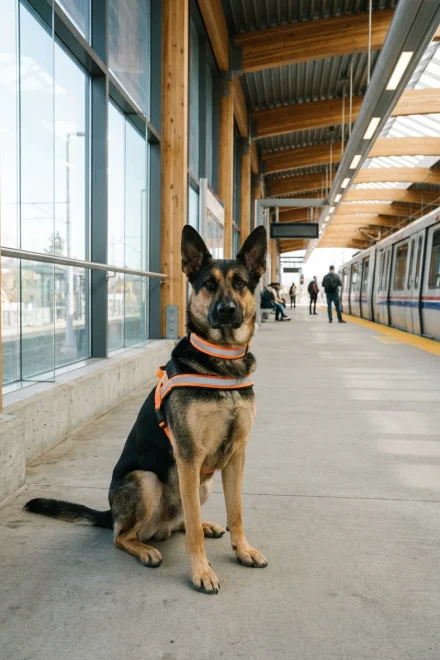
What is a collar for traveling dogs and why is it indispensable?
A collar for traveling dogs is an accessory specifically designed to guarantee the safety and identification of the animal during transfers by car, train, or plane. Unlike conventional walking collars, these usually incorporate high-visibility elements, more resistant materials, and fastening systems compatible with current transport regulations.
Its main objective is to keep the dog under control in unknown environments and ensure that, in case of loss, it can be identified quickly. Furthermore, many models are designed to offer maximum comfort during long journeys, avoiding chafing or excessive pressure on the animal's neck while it rests in its carrier or seat.
There are various options depending on the type of trip, from collars with integrated GPS to reflective models or those with silent identification plates. Choosing the right one is not only a matter of comfort, but a fundamental requirement to comply with road safety laws and pet transport policies in different media.
Types of collars and regulations according to the means of transport
Depending on how you travel, your dog's needs will change. A short car journey is not the same as an international flight. Knowing the regulations will help you choose the right equipment and avoid fines or safety problems during the journey.
Reflective and high-visibility collars
For road trips or stops at night rest areas, reflective collars are essential. They allow the dog to be visible to drivers in low-light conditions, drastically reducing the risk of accidents during quick walks at gas stations or unknown areas. They are the preferred choice for those traveling in a motorhome or taking night routes.
GPS collars for long trips
The fear of a dog escaping in a strange place is one of the biggest concerns for travelers. GPS tracking collars offer absolute peace of mind by allowing you to track the animal's exact location from your mobile phone. They are especially useful if you are going on hiking routes, camping, or if your dog is prone to getting scared by loud noises in new cities.
Regulations in the car and public transport
In the car, the collar should be a complement to the restraint system, such as a safety harness. It is vital to remember that the seat belt should never be attached directly to the collar, as sudden braking could cause serious neck injuries. On trains and buses, many companies require the dog to wear a sturdy collar and, sometimes, a muzzle, depending on the breed and size of the animal.
Identification: The non-negotiable element
Regardless of the model, the travel collar must carry a clear identification plate. It is recommended that it includes not only the name and telephone number, but also the international prefix if you are traveling abroad. Some owners opt for collars with the information engraved directly on the fabric to avoid the noise of metal tags, which helps the dog be calmer during the journey.
Comparison of travel safety accessories
The following table summarizes the characteristics of the main safety accessories that a traveling dog may need depending on the environment:
| Accessory type | Main advantage | Recommended use | Security level | Ideal for |
|---|---|---|---|---|
| Reflective Collar | High night visibility | Roadside stops | High | Night car trips |
| GPS Collar | Real-time location | Unknown areas | Very high | Hiking and camping |
| Engraved Plate | Quick identification | All types of trips | Essential | Any traveling dog |
| Safety Harness | Impact restraint | Inside the vehicle | Maximum | Car and plane trips |
Ultimately, the choice of equipment should be based on the dog's well-being and compliance with safety standards. There is no one-size-fits-all model: every trip is different and the right tool is the one that adapts to the means of transport and your pet's character.
Recommendations before going on a trip with your dog
Preparation is the key to a stress-free trip. Before putting on the collar and getting on the transport, make sure everything is in order to guarantee their well-being during the hours of travel and avoid legal unforeseen events.
Key tips before starting
- Verify the fit: The collar should be neither too loose (it could escape) nor too tight (it would make breathing difficult when lying down).
- Test the equipment days before: If you buy a new collar for the trip, let them wear it at home to detect possible chafing or allergies.
- Update contact details: Make sure the phone number on the plate is the one you will have with you during the trip.
- Clean the collar: A dirty collar or one with sand residue can cause skin irritations during a long trip due to constant rubbing.
- Carry a spare collar: On long or international trips, it is prudent to have a second collar in case the main one breaks or is lost.
Following these recommendations not only guarantees the dog's physical safety, but also facilitates a quick response in case of any emergency abroad or in remote areas.
Common mistakes when choosing travel equipment
Many owners make mistakes due to lack of foresight that can compromise the animal's safety in unknown environments or during public transport.
- Using collars made of poorly breathable materials: On long trips, heat can cause dermatitis under the collar if the material is not suitable.
- Not checking the condition of the rings: A rusty or weak ring can break under a sudden pull in a busy train station.
- Relying only on the microchip: The chip is vital, but a visible plate is the fastest way for someone to contact you without needing a veterinarian.
- Leaving the collar on in the airplane carrier: Some airline regulations suggest removing accessories that could get caught, although identification must remain.
- Attaching the seat belt to the collar: This is the most dangerous mistake; a specific harness should always be used for restraint in the car.
Avoiding these failures ensures a much smoother transfer and protects your pet's physical integrity. The key is to understand that travel equipment has different functions than daily walking equipment.
Pros and cons of specific travel collars
Investing in a collar designed for movement and transport has clear benefits, but also involves considering certain practical aspects. Not all collars are suitable for all travel situations.
The main advantage is the added safety through visibility and resistance, in addition to the ease of locating the animal in case of loss. However, some more technological models can be heavier or require constant charging, which requires extra planning on the part of the owner.
Before you decide, analyze the duration of the trip and the environment you are heading to in order to choose the perfect balance between functionality, compliance with regulations, and comfort for your dog.
Frequently asked questions about dog collars for travel and transport
Is it mandatory for my dog to wear a collar during a trip?
Yes, in most legislations and transport regulations, the dog must be correctly identified. A collar with a physical tag is the fastest method of contact if the dog gets lost in an unknown area or during a transfer.
What information should the collar tag include when traveling abroad?
In addition to the dog's name, it is vital to include your phone number with the international prefix (+34 in Spain). It is also recommended to add a second contact number and, if possible, indicate if the dog has a microchip.
Can I use the collar to secure the dog in the car?
It is not recommended. For road safety, the dog must be secured using an approved safety harness anchored to the seat belt or in a carrier. The collar should only be used for identification and for handling the dog once outside the vehicle.
What type of collar is best for passing through airport security checks?
Ideally, a collar without metal parts (such as those with plastic click closures) to prevent them from beeping in security arches. This speeds up the process and reduces the dog's stress by not having to take it off and put it on constantly.
Is it safe to leave the collar on inside the carrier on a plane?
There is a debate about this. For safety, some experts recommend removing it to avoid accidental snags in confined spaces. However, if the dog travels in the hold, the collar is its only immediate visual identification. The best option is a safety collar with a quick-release buckle.
Are there collars that help reduce travel stress?
Yes, there are pheromone collars that release synthetic chemicals mimicking those secreted by mothers to calm their puppies. They are very useful for dogs suffering from separation anxiety or fear of transport noises.
What material is most comfortable for long-distance travel?
For long journeys, look for breathable and padded materials, such as neoprene or soft nylon. Avoid rigid or very heavy collars that can cause chafing if the dog stays in the same position for a long time.
Should I carry a spare collar in my suitcase?
It is highly recommended. In case of breakage, loss, or if the main collar gets too wet or dirty, having a spare collar will allow you to continue enjoying the trip without safety risks.
What should a collar for traveling on urban public transport be like?
On subways or buses, a sturdy collar that allows for short and firm control is required. Collars with an integrated handle are excellent for keeping the dog close to you in crowded areas.
Is a collar or a harness better for sightseeing on foot?
For long walks through unknown cities, a safety harness is usually more comfortable and prevents escapes if the dog gets scared. However, the collar should always be worn with an updated identification tag.