
Blog
Last updated: April 20, 2026
Collars for dogs that swim: Guide to water and salt-resistant materials
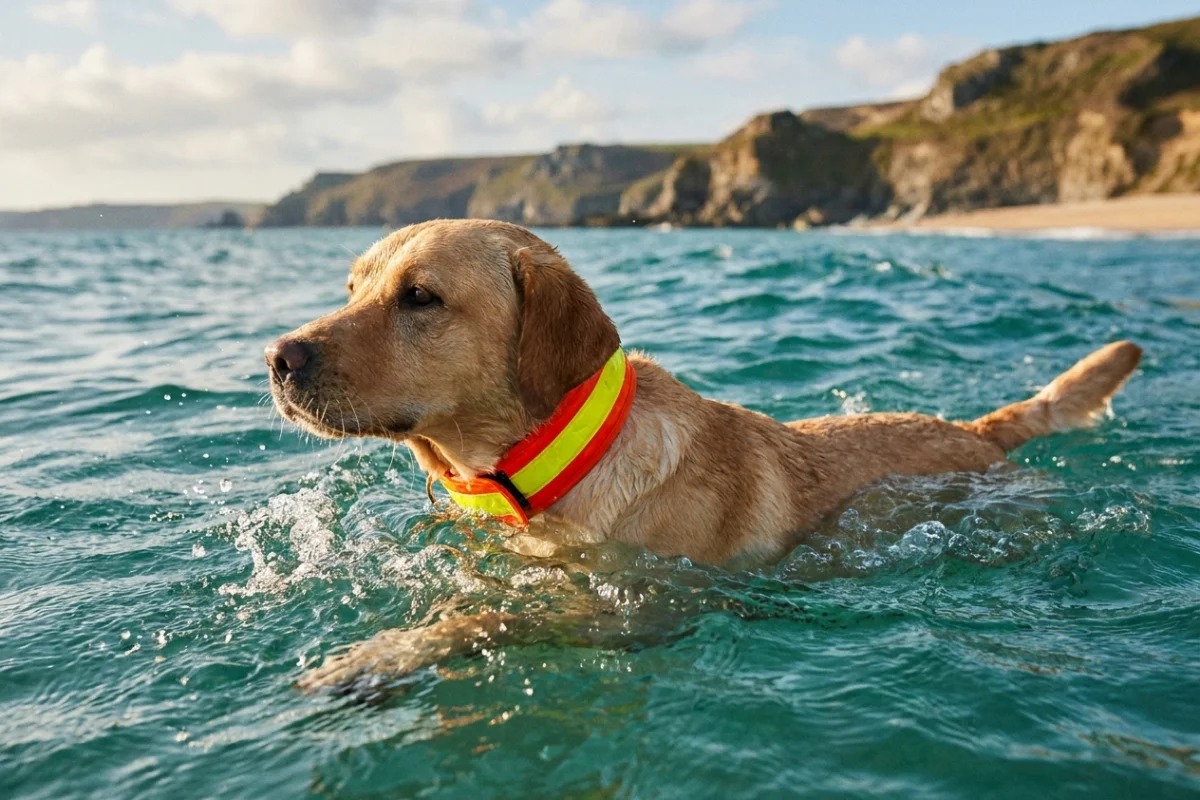
For dogs that enjoy a good dip in the beach, river, or pool, a conventional collar can become a problem. Accumulated moisture, salt, and chlorine not only deteriorate materials quickly, but can also generate bad odors and skin irritations due to the proliferation of bacteria in fabrics that do not dry properly.
Choosing a specific collar for aquatic activities is essential to guarantee the hygiene and durability of the equipment. Materials designed for water offer the advantage of being waterproof, instant-drying, and corrosion-resistant, allowing your pet to enjoy their freedom without the collar becoming a heavy or unhygienic burden.
In this guide, we will analyze which are the best components for swimming dogs, from stainless steel hardware to advanced synthetic coatings. You will learn to identify which options prevent moisture buildup and how to keep the equipment in perfect condition after a day of playing in the water.
Why choose a specific collar for dogs that swim?
For dogs that enjoy the water, whether at the beach, the pool, or the river, a conventional collar can become a problem. Standard materials like leather or traditional nylon tend to absorb moisture, retain bad odors, and degrade quickly with constant exposure to water and sun.
A swimming dog collar is specifically designed to repel water and withstand the most demanding conditions. These accessories not only maintain their structural integrity but also prevent the proliferation of bacteria and fungi that often appear in collars that remain wet for a long time against the animal's skin.
In addition to durability, safety and hygiene are the fundamental pillars of these products. By not absorbing liquids, the collar does not increase in weight or cause chafing from friction, ensuring that your pet can swim with total freedom and comfort without compromising the health of their coat or skin.
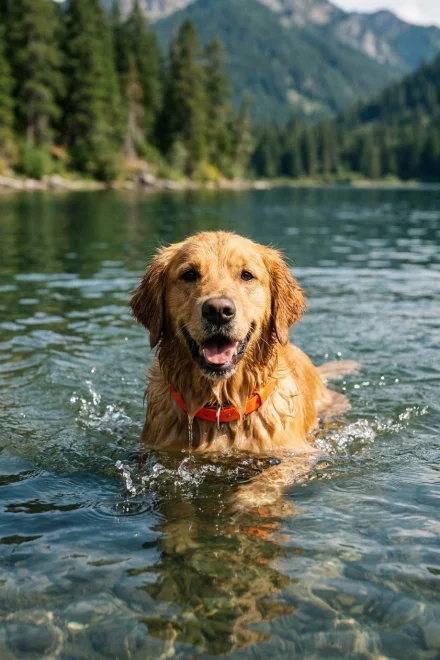
Biothane: the star material for water
Biothane has established itself as the preferred material for owners of active and swimming dogs. It is a polyester webbing with a synthetic coating (usually PVC or TPU) that combines the appearance of leather with superior technological resistance.
Its main advantage is that it is 100% waterproof. No matter how much time the dog spends submerged; the collar will not absorb a single drop of water. This prevents the accessory from becoming heavy or giving off the characteristic damp smell of organic materials.
Additionally, Biothane is extremely easy to clean: just wipe it with a damp cloth to remove mud, sand, or salt. It is an antibacterial and very resistant material to traction, making it ideal for large dogs or those with great strength that frequent natural environments.
- Completely waterproof and instant drying.
- Does not retain odors or promote bacterial growth.
- High resistance to breakage and wear.
- Easy maintenance with soap and water.
- Available in high-visibility colors.
Disadvantages of nylon and leather in aquatic environments
Although nylon and leather are excellent materials for daily walks, they present serious limitations when repeatedly exposed to water. Natural leather, when repeatedly wet and dried, tends to harden, crack, and eventually break, losing its flexibility and aesthetics.
On the other hand, conventional nylon acts like a sponge. It retains moisture against the dog's neck for hours, which can cause dermatitis, skin irritations, and the appearance of hot spots. Furthermore, the fabric traps particles of sand and dirt that act like sandpaper on the animal's skin.
- Leather rots and cracks with moisture.
- Nylon takes a long time to dry and generates bad odors.
- Risk of fungal infections on the dog's skin.
- Loss of color due to exposure to chlorine and salt.
- Greater accumulation of dirt that is difficult to remove.
In conclusion, if your dog is a frequent swimmer, avoiding these materials will prolong the life of their accessories and protect their dermatological health.
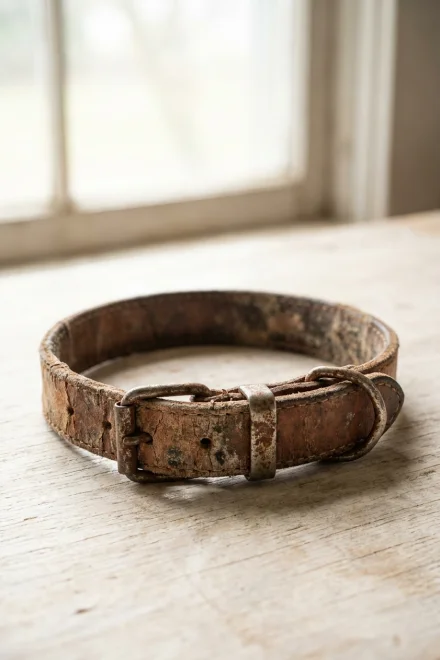
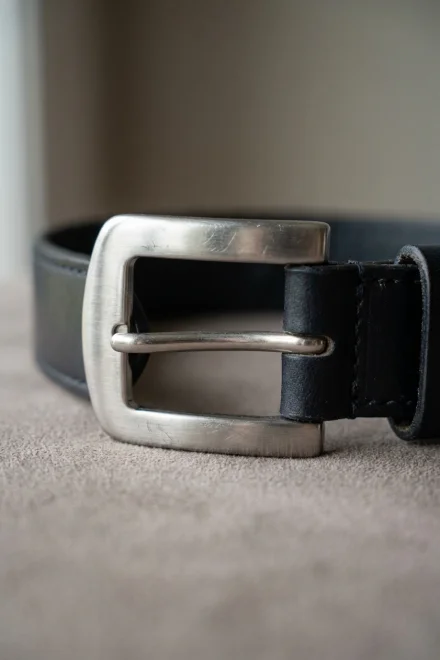
Saltwater and corrosion resistant hardware
Not only is the webbing material important; the hardware and closures are the critical safety point. In marine environments, salt is extremely corrosive and can rust iron buckles or cheap alloys in a matter of days.
For dogs that swim in the sea, it is essential to look for collars with stainless steel or solid brass hardware. These materials resist oxidation and ensure that the locking mechanism does not jam or weaken over time, maintaining the dog's safety at all times.
High-quality plastic closures (such as acetal) are also an excellent option for water, as they are completely immune to corrosion, although they should be checked periodically to ensure that sand does not obstruct the click mechanism.
- Stainless steel: maximum strength and durability.
- Brass: does not rust and provides a classic style.
- Technical plastic: lightweight and corrosion-free.
- Avoid nickel-plated or chrome-plated hardware in salt water.
Safety and visibility in the water
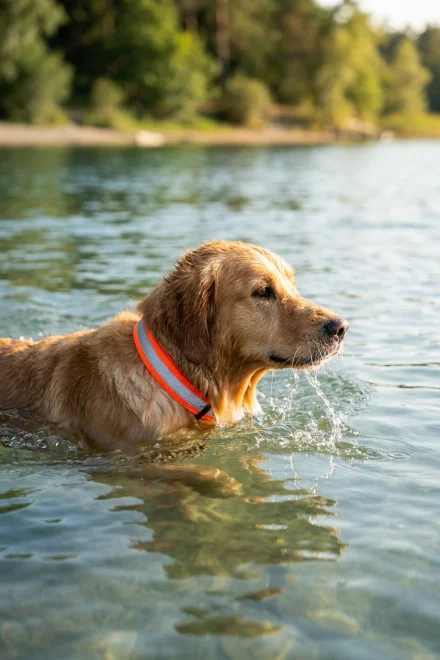
When a dog swims, especially in open waters like the sea or wide rivers, its visibility is drastically reduced. A swimming collar should incorporate elements that allow the animal to be located quickly among the waves or in low light conditions.
Neon or fluorescent colors (orange, yellow, or pink) are the most effective for water. Additionally, many waterproof collars include reflective bands that bounce back light, something vital if the dog is near boats or if the swim lasts until sunset.
Another safety aspect is the closure design. For dogs that swim in areas with submerged vegetation or branches, some owners prefer collars with elastic zones or quick-release features to prevent accidental snags underwater.
- Bright colors for quick visual location.
- Reflective bands for twilight safety.
- Materials that do not lose color with sun or chlorine.
- Ergonomic designs that do not hinder swimming.
Modern synthetic materials: PVC and TPU
Beyond Biothane, there are other synthetic materials based on PVC and TPU that offer similar performance at competitive prices. These collars consist of an internal nylon webbing fully coated by a flexible plastic layer.
TPU (Thermoplastic Polyurethane) is especially valued for its flexibility even in cold climates and its soft touch that does not irritate the skin. For its part, PVC tends to be more rigid but offers total waterproofing and excellent chemical resistance to pool chlorine.
Both materials share the property of being non-porous. This means they cannot harbor parasites, mites, or bacteria inside, making them the most hygienic option for dogs that alternate swimming in nature with life inside the home.
The ideal collar according to the swimming environment
Depending on where your dog usually swims, the resistance needs change. The effect of chlorine in a pool is not the same as the corrosive power of salt in the ocean or the mud of a stagnant river.
This comparison will help you choose the most suitable material to maximize the collar's durability and your pet's comfort according to their favorite environment.
🏖️ Beach and salt water
Salt is the biggest enemy. The ideal material is Biothane with stainless steel hardware. It is vital to avoid any iron components that could rust and stain the dog's coat.
🏊 Chlorine pools
Chlorine can dry out natural materials. PVC or TPU collars are perfect here, as they are inert to pool chemicals and maintain their vibrant color despite intense sun.
🛶 Rivers, lakes, and marshes
Here the problem is mud and organic matter. A smooth-surfaced waterproof collar is essential so that dirt does not become embedded and can be cleaned simply by submerging it in clean water.
🐕 Water sports (Dock Jumping)
For competition, lightweight and low-profile collars are sought. Thin synthetic materials ensure the dog doesn't carry extra weight and that the collar doesn't shift during the jump.
Regardless of the environment, choosing a collar that does not absorb water is the smartest decision to guarantee hygiene and avoid skin problems in swimming dogs.
Essential maintenance after a dip
Although waterproof collars are designed to resist, basic maintenance will prolong their useful life for years. The most important gesture is to rinse the collar with fresh water after every swim in salt or chlorinated water.
Salt, when it dries, forms crystals that can be abrasive. Simply rinse the collar under the tap with fresh water and dry it with a cloth. If the collar has been in contact with mud or algae, a little neutral soap will be enough to leave it like new.
It is also recommended to periodically check the attachment points and closures to ensure that sand has not accumulated in the mechanisms, which could compromise the security of the closure in the future.
Practical tips for aquatic collar care
🌊
Always rinse with fresh water after a swim in the sea to remove corrosive salt.
🧼
Clean the surface with a damp cloth and neutral soap if you detect traces of mud or algae.
🔍
Inspect the hardware and closures weekly to rule out signs of wear or sand accumulation.
☀️
Avoid leaving the collar exposed to direct sun for days when not in use, to prevent color degradation.
📏
Ensure the fit is firm but comfortable; a wet collar can slip more easily if it is loose.
Conclusion: Safety and durability underwater
Choosing the right collar for a dog that swims makes the difference between an accessory that lasts one season and one that accompanies your pet throughout its life. Synthetic materials such as Biothane, PVC, and TPU have revolutionized the market, offering hygienic, safe, and extremely durable solutions.
By opting for a waterproof collar, you are not only investing in a product resistant to water and salt, but you are also taking care of your dog's dermatological health by avoiding constant moisture and bad odors. Always remember to prioritize high-quality hardware, such as stainless steel, to guarantee safety in marine environments.
In short, if your dog is a water lover, equipping them with the correct material will allow them to enjoy their aquatic adventures with total freedom, while you enjoy the peace of mind of knowing that their collar is up to the challenge.
Frequently asked questions about collars for dogs that love the water
Why is leather not recommended for dogs that swim?
Leather is an organic material that absorbs water. By repeatedly getting wet and drying, it becomes stiff, cracks, and can rot, in addition to retaining very strong odors that are difficult to remove.
Which material is the most resistant to salt water?
Collars with polymer coating (such as Biothane) and stainless steel or brass hardware are the best, as they do not rust with salt and do not absorb moisture from the sea.
Is nylon a good option for swimming?
Nylon is resistant, but it takes a long time to dry. If the dog stays with a wet collar for a long time, it can suffer from contact dermatitis or chafing on the neck.
How to prevent the collar from smelling bad after going to the beach?
The key is to use non-porous materials. If you use a waterproof collar, simply rinse it with fresh water to remove the salt and dry it with a cloth; this will prevent bacteria from lodging in the fibers.
Are there collars that float in the water?
Yes, some collars made with closed-cell neoprene or lightweight materials are designed to have positive buoyancy, making them easier to recover if they come loose in the water.
What type of closure is safest for aquatic activities?
High-resistance plastic quick-release buckles or stainless metal buckles are recommended. Avoid velcro closures, as they lose grip when wet or filled with sand.
Is it necessary to take the collar off the dog for it to swim?
If the environment is safe and the collar is suitable, they can wear it. However, in areas with a lot of aquatic vegetation, a collar could get caught; in those cases, a safety or breakaway collar is preferable.
How does pool chlorine affect the collar?
Chlorine is a strong chemical agent that can discolor fabrics and weaken certain plastics. It is vital to rinse the collar with tap water after each swim in the pool.
What hardware should I look for to avoid rust?
Always look for labels that specify 316 stainless steel (marine grade) or solid brass. Nickel-plated iron hardware usually rusts within a few days after contact with water.
Is neoprene good for swimming dogs?
It is excellent for its comfort and because it does not absorb as much water as nylon, but it must be well-finished so that it does not retain moisture between the neoprene and the support webbing.