Blog
Last updated: April 2, 2026
Dog Collars in Extreme Climates: How to Choose the Most Resistant and Safe Material
When we live in areas with severe weather conditions, our dog's gear suffers accelerated wear and tear. Intense cold, suffocating heat, and constant humidity not only affect the durability of the collar but can also compromise your pet's skin health and safety during walks.
Not all materials react the same way to prolonged sun exposure or contact with snow. A collar that gets too hot can cause burns, while one that absorbs too much moisture can become a breeding ground for bacteria and fungi. Therefore, choosing a collar designed to withstand extreme climates is essential for owners living in high mountains, coastal areas, or desert regions.
In this article, we will analyze which materials best withstand inclement weather, how to prevent hardware from rusting due to saltpeter, and what precautions to take so that your dog's collar remains safe and comfortable whether you are at 40 degrees or below zero.
Dog Collars in Extreme Climates: Resistance and Safety
Choosing a dog collar for extreme climates is not just an aesthetic matter, but one of survival and comfort for your pet. Whether you live in areas of suffocating heat or in regions where snow and ice are constant, the material of the collar determines its durability and the health of the animal's skin.
Conventional materials can fail under environmental pressure: leather can crack in intense cold, while certain low-quality plastics become brittle or emit unpleasant odors in extreme heat. Therefore, materials such as Biothane, high-density nylon, and stainless steel have positioned themselves as the best options for demanding environments.
In addition to physical resistance, an extreme climate collar must be hypoallergenic and breathable. In summer, the accumulation of sweat and moisture under the collar can cause dermatitis, while in winter, a material that absorbs water can freeze and cause cold burns on the dog's neck.
It is fundamental to understand that each environment requires specific properties. A collar designed to resist UV radiation from the desert is not the same as one manufactured to withstand the constant humidity of a tropical jungle or polar cold.
In conclusion: investing in a technical collar made with materials tested for critical conditions ensures that your dog is safe, comfortable, and visible, no matter what the thermometer says.
The Challenge of Extreme Heat and UV Radiation
In areas of extreme heat, the main enemy of collars is ultraviolet radiation and thermal heat accumulation. Dark-colored collars or metallic materials can reach dangerous temperatures that irritate the dog's skin.
For these climates, military-grade nylon with UV treatment is an excellent choice. This material allows for better ventilation and does not retain heat in the same way as dense materials. It is vital that the collar is lightweight to avoid adding thermal fatigue to the animal during walks.
Another critical factor is resistance to fading. Solar rays degrade the fibers of common collars, weakening their internal structure. A quality collar for desert or coastal areas must specify its UV resistance to ensure it doesn't break during an unexpected pull.
If your dog often cools off in pools or the sea to combat the heat, make sure the hardware is brass or stainless steel. Salt and chlorine quickly corrode iron, compromising the security of the buckle.
Remember: in summer, a collar that is too wide can hinder heat dissipation through the neck, a key area for canine thermoregulation.
Protection in Freezing Climates and Snow
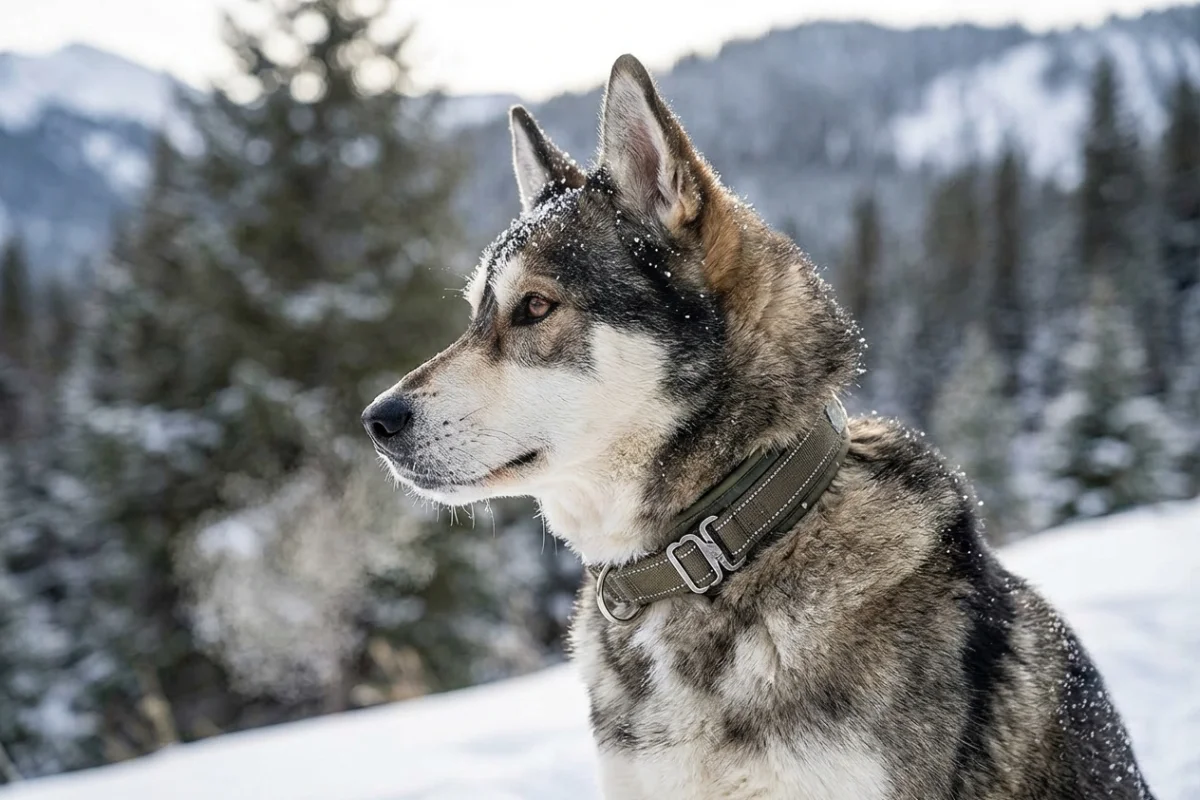
When temperatures drop below zero degrees, standard materials can become stiff and brittle. A snow collar must be able to maintain its flexibility so as not to hurt the dog's neck or break during a sudden movement.
Biothane is once again the king in this scenario, as its polymer coating is not affected by freezing. Unlike leather, which absorbs moisture and hardens like a stone when frozen, high-end synthetic materials remain soft and safe.
Visibility is another vital factor in winter. With fewer daylight hours and possible blizzards, it is essential that the collar has high-intensity reflective elements or even integrated LED lights that withstand negative temperatures without the battery failing prematurely.
Finally, avoid collars with too many metal parts in direct contact with the skin if the dog has short hair, as metal transmits cold quickly and can cause constant discomfort.
In summary, for extreme cold look for materials that do not absorb water and that guarantee visibility in low light conditions.
Tips for Choosing the Ideal Collar
❄️
For snowy climates, choose waterproof materials that do not freeze or increase in weight when wet.
☀️
In desert areas, opt for light colors that reflect sunlight and prevent overheating.
🌊
If you live near the sea, ensure that the clasps are made of stainless steel or high-resistance plastic to avoid rust.
🔦
Always prioritize reflective details, especially useful in sand or snowstorms.
🧼
Wash the collar weekly if you live in areas with saltpeter or sand to prevent grains from irritating the skin.
📏
Leave space for two fingers between the collar and the neck; heat can cause the neck to swell slightly.
🐕
For outdoor working dogs, Biothane is the most durable and safe option on the market today.
🧴
Check the skin under the collar every few days for chafing or accumulated moisture.
🛑
Avoid heavy metal collars in extreme cold climates, as they act as thermal conductors.
🔄
Have a spare collar if the main one is made of nylon and takes a long time to dry after a rainy day.
🧪
Look for UV resistance certifications if the dog spends many hours in direct sun.
🧗
For extreme hiking, choose double-buckle safety closures or aluminum Cobra buckles.
⚠️
Do not trust cheap plastic collars; extreme cold makes them brittle and they can break with a pull.
🩺
If your dog has sensitive skin, look for collars with neoprene lining, which is soft and water-resistant.
Materials According to Lifestyle and Environment
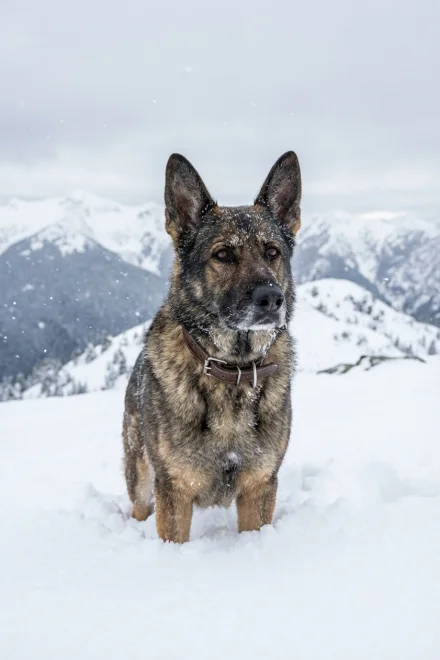
The choice of material should be aligned with your dog's main activity. A Siberian Husky running through the snow has radically different needs than a Greyhound walking through a coastal city with high humidity and heat.
For high mountain dogs, Biothane is unbeatable. Its ability not to absorb moisture prevents the dog from carrying extra weight and prevents the formation of ice crystals on the collar, something that could cause serious friction wounds.
In the case of urban dogs in tropical climates, nylon with micro-perforations or neoprene padding offers the right balance between resistance and coolness. These materials allow sweat to evaporate faster, keeping the neck area dry and healthy.
If your pet is a brachycephalic breed (like a Bulldog) in hot climates, lightness is the absolute priority. A heavy collar can make breathing even more difficult by adding unnecessary pressure, so ultra-lightweight synthetic materials are the best professional recommendation.
In short, analyze the environment: is there high humidity, intense sun, or biting cold? Answering this will give you the key to choosing between the robustness of Biothane or the versatility of technical nylon.
How to Maintain the Collar in Extreme Conditions?
Preventive maintenance extends the useful life of any equipment. After exposure to extreme climates, it is vital to perform a quick inspection of the collar to detect signs of material fatigue or corrosion on the closures.
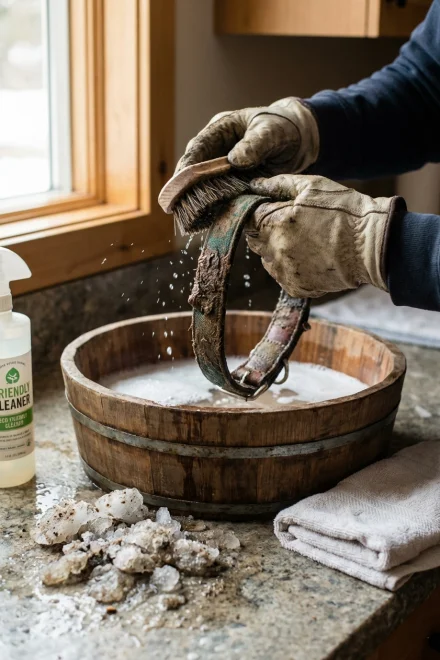
If the collar has been in contact with salty snow or sea water, always rinse it with fresh water. Salt is a highly corrosive agent that can weaken even the strongest nylon fibers and block the mechanisms of plastic or metal quick-releases.
For Biothane collars, a little neutral soap and water is enough. However, if you use treated leather collars for the cold, it is essential to apply specific conditioning oils to prevent natural fibers from drying out and breaking after repeatedly getting wet and drying.
Avoid drying collars directly on radiators or intense heat sources. Localized extreme heat can deform plastic components or cause nylon to become stiff. Ideally, dry in the shade in a well-ventilated place.
Remember: a well-maintained collar not only lasts longer but ensures that the release mechanism works correctly in case of an emergency.
Safety and Visibility: Non-Negotiable Factors
In adverse weather conditions, visibility is often drastically reduced. A collar for extreme climates must also act as a passive safety device.
Look for collars that incorporate 3M reflective threads woven into the nylon structure itself or high-visibility bands welded into the Biothane. These elements allow drivers to see your dog from a great distance in rain, fog, or snow.
Safety also lies in the buckle. In extreme climates, low-quality plastic buckles can become brittle in the cold or expand in the heat. Safety closures with locks or quick-release metal buckles are preferable to prevent accidental openings.
If you perform risky activities such as canine mountaineering or rescue, consider collars with controlled breaking points or, conversely, collars with double D-rings to ensure that pressure is distributed evenly and does not fall only on the closure.
In conclusion: visibility and closure reliability are as important as the strength of the main material. Do not skimp on these details that make a difference in critical situations.
Conclusion: Which is the Best Material?
There is no single perfect collar, but Biothane positions itself as the absolute winner for most extreme climates due to its balance of flexibility, waterproofing, and durability.
If you are looking for something lighter and more economical for the heat, technical nylon with UV protection is the ideal alternative. The most important thing is to always prioritize your dog's comfort and the integrity of the material against the elements.
Before your next adventure, check your pet's gear. A good collar is the first line of defense to keep your best friend safe in any corner of the planet.
Frequently Asked Questions about dog collars in difficult weather conditions
What material is best for dogs living in very humid or rainy areas?
For humid climates, waterproof synthetic materials such as Biothane or coated nylon are ideal. Unlike leather or standard nylon, they do not absorb water, do not generate bad odors, and dry instantly, preventing the proliferation of fungi on the dog's neck.
Can the sun damage my dog's collar?
Yes, prolonged UV radiation can weaken nylon fibers and cause colors to fade. Additionally, in extreme heat climates, metal hardware can reach very high temperatures; it is advisable to look for collars with high-resistance polymer buckles or protected metals.
What type of collar is recommended for snow dogs or sub-zero climates?
In freezing climates, avoid materials that become stiff or brittle with the cold. High-density nylon and certain synthetic rubbers maintain their flexibility. Make sure the clasp is not prone to jamming if snow enters and freezes.
How does sea salt affect collars?
Saltpeter is highly corrosive. If you live near the sea, it is essential to choose collars with stainless steel or solid brass hardware. Low-quality nickel-plated or chrome-plated metals will rust within weeks, compromising the safety of the closure.
Are there collars that help cool the dog in summer?
There are so-called cooling collars, which contain gels or materials that retain water to lower body temperature through evaporation. They are useful for short walks during hot hours, but they do not replace the usual identification collar.
Is leather a good option for extreme climates?
Leather is durable but requires a lot of maintenance. In very dry climates it can crack if not hydrated, and in very humid climates it can rot. It is not the most recommended option for extreme conditions unless it is high-quality treated leather and is rigorously cared for.
What precautions should I take with electronic collars in cold climates?
Batteries in GPS or training collars last much less in sub-zero temperatures. If you use technology in cold climates, make sure the device is certified for low temperatures and charge it more frequently.
How to avoid chafing from sweat or humidity under the collar?
Choose collars with neoprene linings or breathable materials. These materials distribute pressure better and allow the skin to breathe, reducing the risk of contact dermatitis or irritation caused by friction and sweat.
Is it necessary to change the collar according to the season of the year?
It is not mandatory, but it is recommended. Many owners choose a lightweight and breathable nylon collar for summer and a more robust and waterproof one for winter, thus adapting to the dog's comfort needs.
What maintenance does a collar exposed to extreme conditions require?
After severe exposure (mud, snow, or salt water), you should rinse the collar with fresh water and dry it in the shade. Check weekly for micro-cracks in the buckles or fraying in the seams caused by environmental erosion.