
Blog
Last updated: May 29, 2026
Teething Dog Collars: How to Choose the Best One and Prevent Destruction
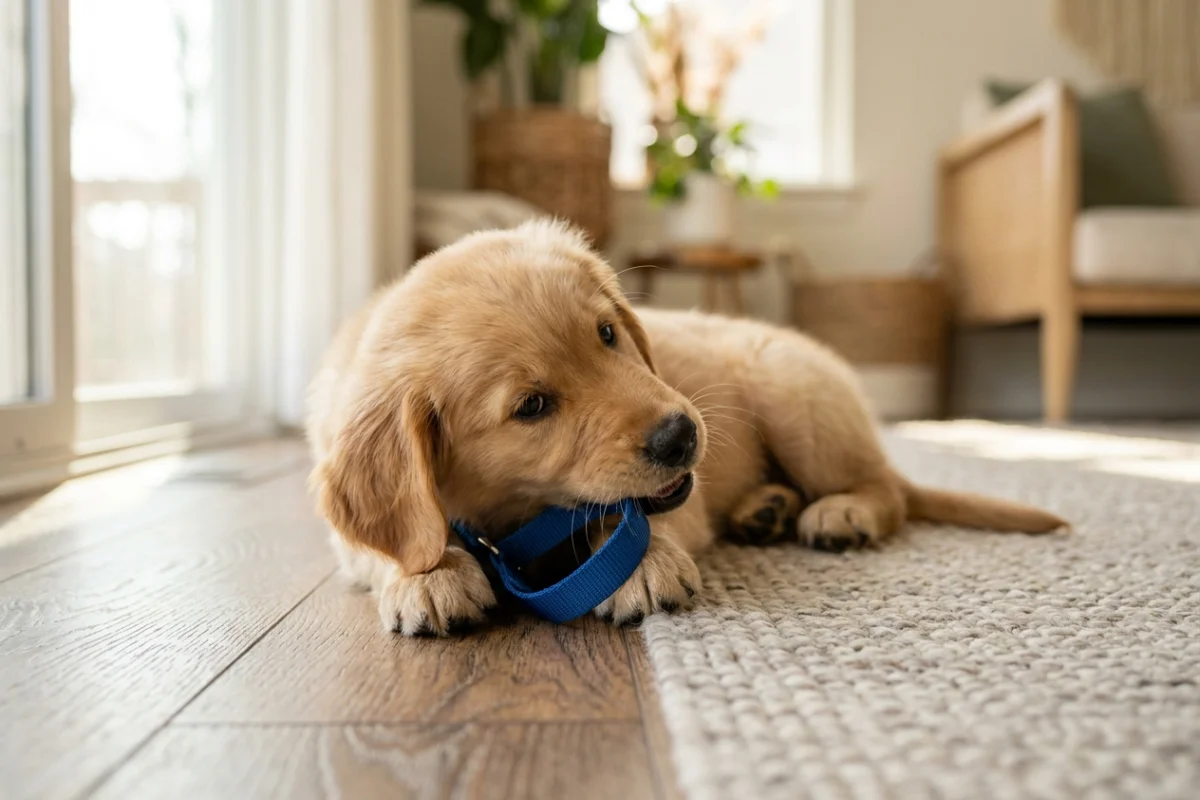
The teething stage is a challenge for any puppy owner. During these months, dogs feel an overwhelming urge to chew everything in their path to relieve gum discomfort, and the collar often becomes one of their favorite targets. Understanding how to manage this behavior is vital for your pet's safety and the durability of their accessories.
In this article, we will explore the best teething dog collars, analyzing which materials best withstand the small but sharp jaws of puppies. Additionally, we will provide practical guidelines to prevent your dog from turning their collar into a chew toy, ensuring the learning process is positive and safe.
From material choice to distraction techniques, here you will find the ultimate guide to surviving teething without having to buy a new collar every week. Learn how to protect the investment in your dog's gear while caring for their dental health and general well-being.
Teething Puppy Collars: How to Choose the Best One and Prevent Them from Destroying It
The teething stage in puppies is a critical period for both their development and the integrity of their accessories. During these months, the need to chew to relieve gum discomfort turns any object within reach, including their own collar, into a potential toy. Choosing a model that withstands this phase is not just a matter of saving money, but also of safety.
Many owners make the mistake of buying standard collars made of low-resistance materials that fray or break easily. A damaged collar not only loses its holding function but can also release small pieces that the puppy could ingest, causing choking hazards or digestive problems. Therefore, it is essential to look for specific materials that combine durability and softness.
In this article, we will analyze what characteristics the ideal collar for a dog that is changing its teeth should have and how to protect this accessory so that it fulfills its function throughout the animal's growth.
Benefits of high-resistance materials for puppies
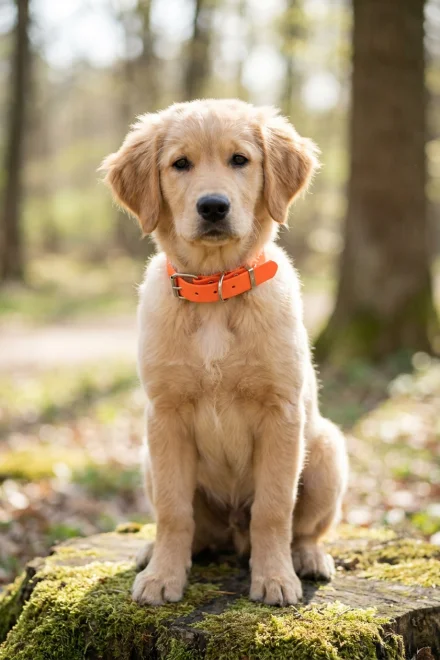
Opting for high-end materials such as biothane or double-braided nylon offers direct advantages for the puppy's dental health. These materials are firm enough not to break, but maintain a flexibility that prevents damage to sensitive gums if the dog tries to bite the end of the collar.
Improved hygiene is another key factor. During teething, dogs drool more than usual. Waterproof collars do not absorb saliva or odors, preventing the proliferation of bacteria and fungi near the skin of the neck, which is vital when the puppy's immune system is still strengthening.
Additionally, these collars usually have rounded edges. This is essential to prevent the accessory from causing irritation or hair loss in such a delicate area as the animal's neck, given the constant movement and scratching or biting attempts.
Risks of choosing an inadequate collar during teething
A poor-quality collar can become a real danger. The most serious risk is the ingestion of fragments; if the puppy manages to fray the nylon or break weak plastic closures, these pieces can cause serious intestinal obstructions.
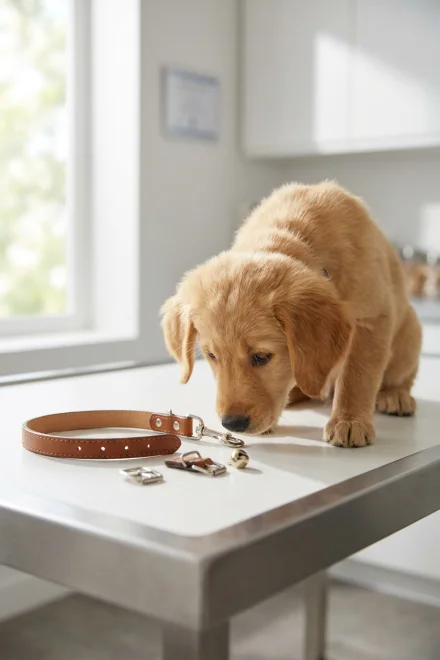
Collars with ornaments or small metal parts should be avoided entirely. Bells, studs, or decorative buckles are the first targets for a dog eager to chew, and their detachment is extremely easy under the pressure of baby teeth.
Dye toxicity is another often ignored factor. Many inexpensive collars use dyes that are not suitable for being licked or chewed. Given that the puppy will likely come into oral contact with the collar, it is imperative that the materials are free of harmful chemicals.
Finally, a collar that stretches or gives way due to biting can become too loose, allowing the dog to get its lower jaw underneath and become trapped or injure its mouth while trying to free itself.
Comparison of materials based on teething resistance
Not all materials behave the same way against a puppy's jaw. Here we compare the most common options to help you decide which one will best withstand your pet's attacks during this stage.
🛡️ Biothane (The King of Resistance)
It is practically indestructible, waterproof, and does not retain odors. Its texture, similar to leather but with a polyester core, makes it ideal for dogs that chew everything, as it does not fray.
🧵 Double-layer Nylon
More resistant than single nylon. If it has reinforced stitching, it holds up well, although over time it may show signs of wear if the dog insists on biting it a lot.
🐄 Thick Natural Leather
It is very durable and comfortable, but it has one drawback: its organic smell can incite the dog to bite it more. It requires maintenance so that it does not crack with saliva.
⛓️ Stainless Steel Links
Impossible to destroy, but not recommended for teething puppies as the cold, hard metal can damage loose baby teeth or inflamed gums.
🧪 Reinforced Silicone
Very soft and flexible, ideal for gums, but its resistance to traction and continuous biting is lower than that of biothane or reinforced nylon.
For most puppies, biothane or reinforced nylon are the most balanced options between safety, durability, and price during the months of teething.
Tips to prevent your dog from destroying their collar
🦴
Provide specific teething toys (cold rubber chew toys) to divert their attention from the collar.
🧴
You can use pet-safe bitter sprays on the excess end of the collar to discourage biting.
📏
Maintain the correct fit; a collar that is too loose is easier for the dog to reach with its mouth.
👀
Supervise play moments with other dogs, as they often bite each other's necks, damaging the collars.
🔄
If the collar shows the slightest sign of breakage, replace it immediately to avoid accidents.
Detailed analysis of materials for the teething stage
Biothane: The Ultimate Solution
Biothane is a synthetic material that combines a polyester webbing with a polyurethane or PVC coating. For a teething dog, it is the best option because it has no fibers that can come loose. Unlike nylon, if the dog bites it, it does not fray, which eliminates the risk of threads getting tangled in the teeth or ingested.
Additionally, its feel is soft and does not cause chafing, which is fundamental when the puppy's skin is still very thin. It is a material that does not stretch, so the adjustment you make in the morning will stay the same throughout the day, ensuring the dog cannot take it off.
Reinforced Nylon and Leather: Classic Alternatives
Nylon remains the most popular option. If you choose this route, always look for military-grade or double-layer nylon. These collars are designed to withstand strong tensions and usually have a much tighter weave that makes it difficult for the puppy's teeth to penetrate and break the fibers.
Leather, for its part, is an excellent natural option if it is of good quality. Full-grain leather is extremely difficult to break. However, care must be taken because wet leather (from saliva) can become attractive to chew. If you choose leather, make sure it is thick and the edges are well sealed.
Differences between materials for puppies
| Material | Bite resistance | Comfort | Cleaning | Ideal use | Price |
|---|---|---|---|---|---|
| Biothane | Maximum | High | Very easy | Very destructive dogs | 25 € – 45 € |
| Reinforced Nylon | Medium-High | High | Medium | General daily use | 12 € – 25 € |
| Thick Leather | High | Very High | Difficult | Dogs with sensitive skin | 30 € – 60 € |
| Silicone | Low | Maximum | Very easy | Small breed puppies | 10 € – 20 € |
In conclusion, during teething, always prioritize the structural integrity of the collar over aesthetics. A durable collar will not only last longer but will also protect your puppy from avoidable accidents while they explore the world with their mouth.
Frequently Asked Questions about Teething Dog Collars
Why is my puppy trying to bite its own collar?
Puppies explore the world with their mouths. During teething, chewing on objects helps them relieve gum pain. If the collar is loose or the dog is not used to it, they will see it as just another toy they can reach and chew.
Which materials are most resistant to puppy teeth?
High-density nylon is excellent for its flexibility and strength. Although no material is indestructible, nylon withstands initial tears better than soft leather or thin decorative fabrics.
Is it dangerous for a dog to ingest pieces of its collar?
Yes, it is very dangerous. Ingesting fragments of plastic, metal, or textile fibers can cause intestinal obstructions or choking. If you notice the collar is frayed or missing pieces, remove it immediately.
How can I prevent my dog from biting the collar while wearing it?
Ensure the fit is correct (two-finger rule). If it is too loose, the puppy will be able to reach it with their lower jaw. Additionally, use positive reinforcement by rewarding them when they ignore the collar and offering appropriate chew toys.
Are there safe repellent products to apply to the collar?
There are bitter-tasting sprays (such as bitter apple) designed specifically for pets. They are safe and deter the dog from biting the accessory, although they should always be used as a supplement to training.
What collar size is best for a fast-growing puppy?
Choose a highly adjustable collar. During teething, the dog grows by the week. Check the fit every 2 or 3 days to ensure it is not too tight but also not loose enough for them to bite it.
When is the right time to change from a puppy collar to a permanent one?
Generally, teething ends between 6 and 7 months. Once the permanent teeth have come in and destructive chewing behavior decreases, you can invest in a collar made of more premium materials like leather or biothane.
Is a fabric or rubber collar better for the teething stage?
For daily use, fabric or nylon is preferable because it is lightweight and the dog forgets they are wearing it sooner. Rubber may encourage more biting due to its texture being similar to many dog toys.
How does boredom influence a dog destroying its collar?
A bored puppy will seek stimulation. If they don't have enough interactive toys or physical activity, they will focus their energy on the first thing at hand, which is usually their own collar or leash.
What signs indicate that the collar is no longer safe after being bitten?
If you notice sharp edges, plastic buckles with tooth marks that don't fit properly, or if the fabric has lost more than 20% of its original thickness, the collar should be discarded due to the risk of breaking during a walk.