
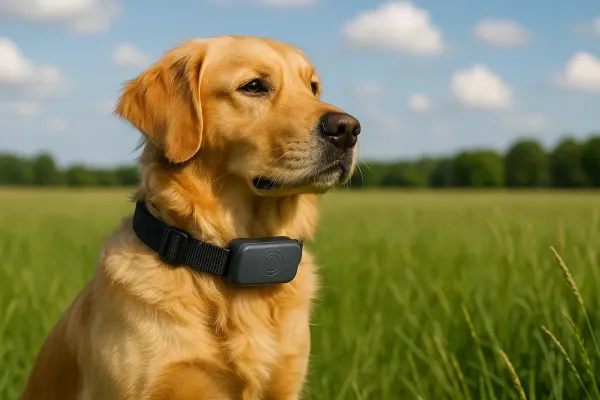
GPS Collar
Last updated: April 1, 2026
GPS dog collars: The ultimate guide to real-time tracking and safety
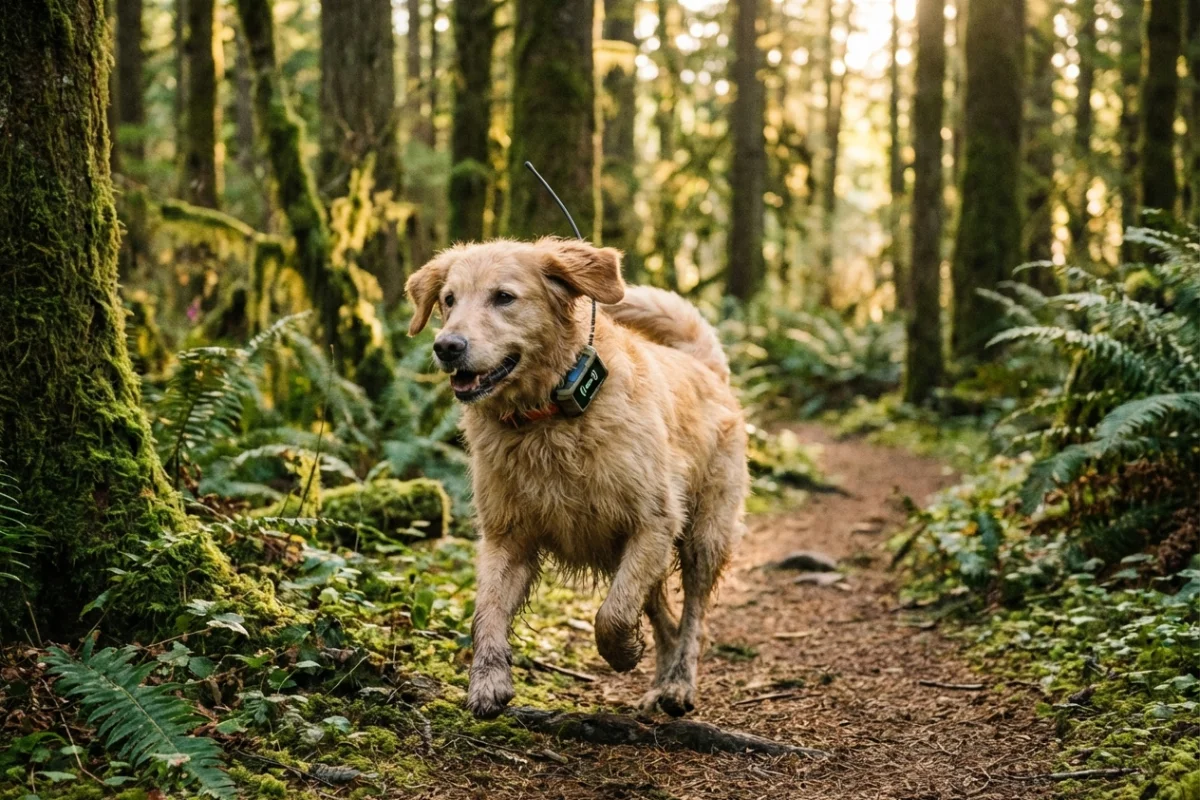
Ensuring the safety of our pet is one of the highest priorities for any owner. Despite taking all precautions, the risk of a dog escaping, getting scared by a loud noise, or becoming disoriented during a walk always exists. Because of this, GPS dog collars have become an essential technological tool that offers absolute peace of mind, allowing us to know the exact location of our faithful companion from our mobile phone.
In this comprehensive guide, we will analyze how GPS pet trackers work, what technologies they integrate, and what are the determining factors to choose the model that best suits your dog and your daily habits. From battery life to tracking accuracy, water resistance, and the creation of virtual fences, we will break down all the critical specifications you must evaluate before making your purchase.
Whether you are passionate about mountain trails where your dog runs loose, or simply looking to add an extra layer of protection in urban environments, a smart collar with a tracker can make a difference in an unforeseen event. Discover with us how this innovation can prevent losses and protect the life of your best friend.
The Rise of GPS Collars: Safety and Peace of Mind
Technology has revolutionized the way we care for our pets, and GPS collars are the best example of this. Losing a dog is one of the worst nightmares for any owner, but thanks to real-time tracking systems, today it is possible to locate our companion in a matter of seconds. These devices have gone from being a luxury to becoming an essential accessory for many.
The operation of a GPS dog collar is relatively simple. Through a satellite connection and, in most cases, an integrated SIM card, the device sends the exact location of the animal to an application on your mobile phone. This not only prevents permanent losses, but also allows you to react immediately to an unexpected escape during a walk or from home itself.
Throughout this guide, we will thoroughly analyze how these trackers work, what their main advantages are, and what technical aspects you should consider before purchasing one to ensure the maximum protection of your pet and avoid unnecessary scares.
Main Advantages of Using a Real-Time GPS Tracker
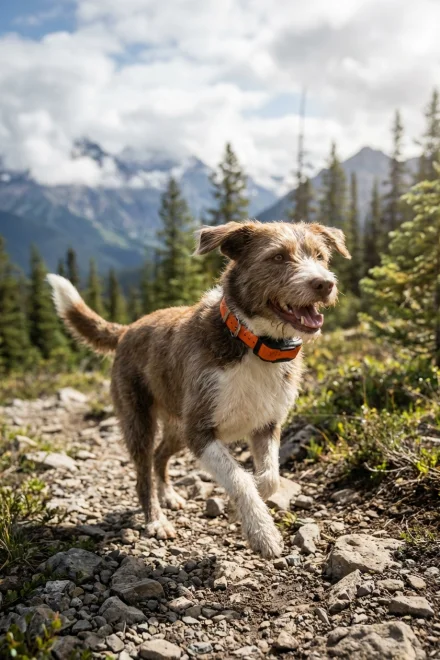
Having a GPS collar offers benefits that go far beyond simple location. The most important advantage is, without a doubt, peace of mind. Knowing that you can check your dog's location at any time allows you to enjoy walks in the countryside more, giving them greater freedom without fear of losing sight of them.
Another star feature of these devices is the creation of virtual fences. Most applications allow you to define safe zones, such as your garden, your house, or the usual park. If the dog leaves that established perimeter, you will receive an instant notification on your mobile, allowing you to act long before they wander too far.
Furthermore, many modern models include activity and health monitoring tools. They work similarly to human activity trackers, recording rest time, calories burned, and minutes of exercise. This is ideal for keeping excess weight at bay and ensuring that the dog leads a healthy lifestyle adapted to its breed and age.
Finally, their design has improved significantly. Current trackers are water and shock resistant, which means your pet can run in the rain, step into puddles, or roll in the mud without the device suffering damage. This robustness ensures that the tracker will work in the most adverse conditions.
Limitations and Factors to Consider with GPS Collars
Despite their multiple benefits, GPS collars have certain practical limitations that are essential to know before making a purchase to avoid unpleasant surprises and choose the right device.
The first key factor is battery life. Unlike a traditional collar, a GPS device requires periodic charging. Depending on the model, usage, and update interval, autonomy can vary from just a couple of days to several weeks.
Another vital aspect is the reliance on network coverage. Models that transmit in real time usually depend on mobile networks. If you usually walk your dog through high mountain areas, dense forests, or rural areas without phone coverage, the signal and tracking could suffer interruptions.
In addition, there is the issue of associated costs. The vast majority of effective devices that offer unlimited range require the payment of a monthly or annual subscription to cover the connection costs of the integrated SIM card.
Finally, the size and weight of the device must be considered. Although technology is advancing and they are becoming more compact, some tracker modules can be too bulky or heavy for miniature breeds, potentially causing discomfort to the animal's neck.
Types of Dog Trackers According to Their Technology
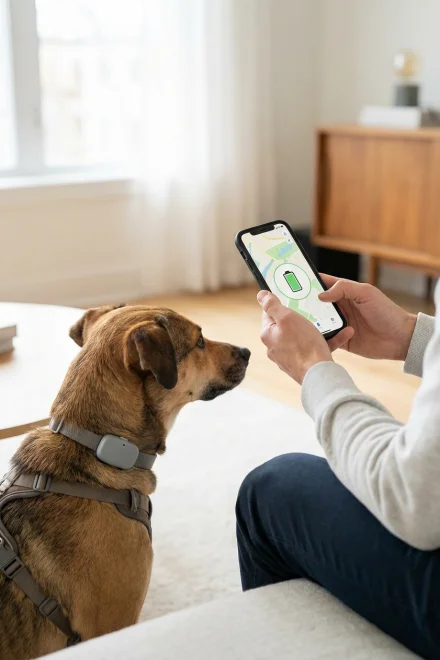
Not all tracking devices work the same way or serve the same purpose. The current market offers different technologies that adapt to different budgets, environments, and tracking needs. Knowing the differences will help you make an informed decision.
📡 GPS with SIM Card (Subscription)
They are the most complete and reliable on the market. They offer unlimited range as long as there is mobile coverage. They transmit the location in real time directly to your smartphone, making them the ultimate option for dogs with a tendency to escape.
📶 Bluetooth Trackers
They do not require a subscription and are quite affordable. However, their range is extremely short (between 10 and 30 meters). They are only useful for finding your pet inside a large house or in very limited spaces.
📻 Radio Frequency Systems
They work through radio waves between the collar and a dedicated receiver remote. They do not depend on mobile coverage and have a range of several kilometers. They are the preferred alternative for working dogs or in isolated mountain areas.
🌐 Community Network Trackers (AirTag style)
They rely on the Bluetooth connection of the mobile phones of other people passing near the dog to update its location on a map. They quickly lose effectiveness in rural areas or far from urban centers.
Selecting the right tracking technology will depend entirely on your routines and environment. If you live in a rural area with no network, radio frequency is your best ally. For highly urban environments, a community network tracker might suffice. But for total security without distance limits, the GPS with subscription remains the winning format.
Practical tips to maximize the use of your GPS collar
🔋
Optimize the battery by disabling live tracking mode (Live Tracking) when the dog is safe at home or sleeping.
🧼
Clean the magnetic charging pins regularly, as dust or mud accumulation can prevent proper charging.
📱
Always keep your smartphone app updated as well as the device firmware to ensure the best tracking accuracy.
🗺️
If your app allows it, download offline maps of your walking areas in case you run out of mobile data in rural areas.
🐕
Frequently check the attachment to the original collar; make sure it is firmly secured so it doesn't get caught and detach in areas with heavy brush.
The great myth: Microchip vs. GPS Collar and frequent mistakes
The microchip does not track in real time
One of the most widespread mistakes among owners is thinking that the subcutaneous microchip works as a tracker. The microchip uses passive radio frequency identification (RFID) technology and does not emit any tracking signal. Its sole function is to store a registration number to identify the dog if someone finds it and takes it to a veterinary clinic or shelter, where they will read its code with a scanner from a few centimeters away. Therefore, it will not help you actively search for a lost dog in the woods or in the city.
On the contrary, a GPS collar is an active technological device that receives signals from satellites and uses mobile networks to send geographical coordinates directly to your phone screen. Both systems are vital, but they serve completely different functions and should always be used complementarily.
Common mistakes when configuring and using the tracker
When starting to use these trackers, it is common to overuse the live tracking mode. This feature updates the position on the map every two or three seconds, which is extremely useful in a real emergency, but drains the device's battery in a matter of hours. The ideal approach is to use the standard update interval (every few minutes) and activate live mode only when the dog has escaped or you have lost sight of it.
Another very common mistake is setting virtual fences too tightly. Since the commercial GPS system has a natural margin of error of a few meters (which can increase on very cloudy days or near tall buildings), establishing too small a perimeter around your garden will generate constant and annoying false alarms on your phone. This is dangerous because, in the long run, it could lead you to ignore a real escape alert.
Detailed comparison: Microchip vs. GPS Collar
| Feature | Subcutaneous microchip | GPS Collar |
|---|---|---|
| Main function | Legal identification and ownership registration | Active real-time tracking |
| Technology | RFID (Passive, requires nearby scanner) | Satellites and Mobile network (Active) |
| Battery | Not needed (Lasts the animal's lifetime) | Requires frequent recharging (Days or weeks) |
| Distance tracking | Impossible | Yes, unlimited range with coverage |
| Additional fees | None (One-time payment at the vet) | Periodic subscription (Data SIM) |
Frequently asked questions about GPS collars and dog trackers
How exactly does a GPS dog collar work?
A GPS collar combines satellite technology (to determine your dog's exact coordinates) with a mobile network connection (integrated SIM card) that sends this location to an application on your smartphone. This allows for real-time tracking and viewing their movements on an interactive map.
Is it necessary to pay a monthly subscription for a GPS collar?
In the vast majority of cases, yes. Since GPS collars need to send location data to your mobile without distance limits, they use GSM mobile networks. This connection requires a SIM card and a data plan, which implies paying a monthly, annual, or biannual subscription to the device's brand.
What is the range of a GPS pet tracker?
Unlike Bluetooth trackers, a GPS collar with an integrated SIM card has an unlimited range. As long as the device is in an area with mobile coverage and you have an internet connection on your phone, you will be able to track your dog whether it is 1 kilometer away or in another country.
Are GPS collars waterproof?
Yes, most quality GPS collars are designed with IP67 or IP68 certification, making them 100% waterproof. This is essential, as dogs often get into puddles, rivers, or are exposed to the rain. Always verify this technical detail before choosing a model.
How long does the battery of a GPS dog collar last?
The duration varies enormously depending on the brand and intensity of use. On standby mode, they can last for weeks, but with the live tracking mode activated (updating the position every few seconds), the battery life usually ranges between 2 and 7 days. Factors such as network coverage also affect battery consumption.
Can I use an Apple AirTag instead of a GPS collar?
Although it can be used, it is not the same nor does it offer the same security. An AirTag uses Bluetooth and relies on Apple devices being nearby to triangulate its position. If your dog gets lost in the countryside or in an isolated area with no people around, the AirTag will not be useful, whereas a GPS collar will.
Is a GPS collar heavy or uncomfortable for small dogs?
The devices have evolved a lot and are becoming more and more compact. However, they usually weigh between 25 and 40 grams. Generally, they are recommended for dogs weighing 3.5 or 4 kilograms and up. Many brands already offer 'Mini' versions specifically designed for small breeds or cats.
Does the GPS collar work if I am in the countryside without mobile coverage?
If the GPS collar loses mobile network coverage in a very remote area, it will not be able to send the location to your phone until it regains the signal. For hunting or extreme mountain areas, there are radio frequency GPS collars (without SIM) that connect to a dedicated receiver remote, not to the mobile.
Can I create "safe zones" or virtual fences with these collars?
Yes, most GPS collar applications include a Geofence feature. It allows you to set a safe zone on the map (such as your home or garden) and you will receive an instant alert on your phone if the dog crosses those boundaries.
Do GPS collars also measure physical activity?
Many modern GPS collars also work as activity monitors. They record sleep hours, daily physical activity minutes, distance traveled, and even estimate calories burned. It is an excellent tool for preventing canine obesity.
Related articles